

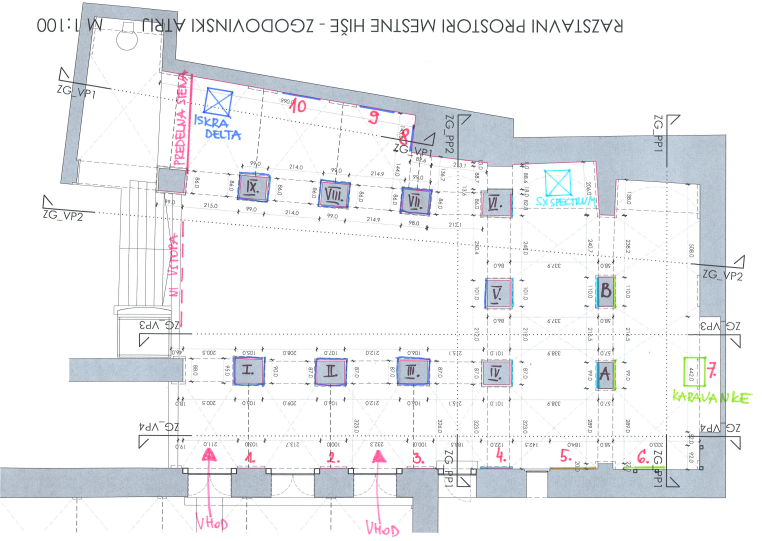
Exhibition “Our Computers from the Karawanks to China”
8. 2. 2019 – 26. 2. 2019, Town Hall Ljubljana
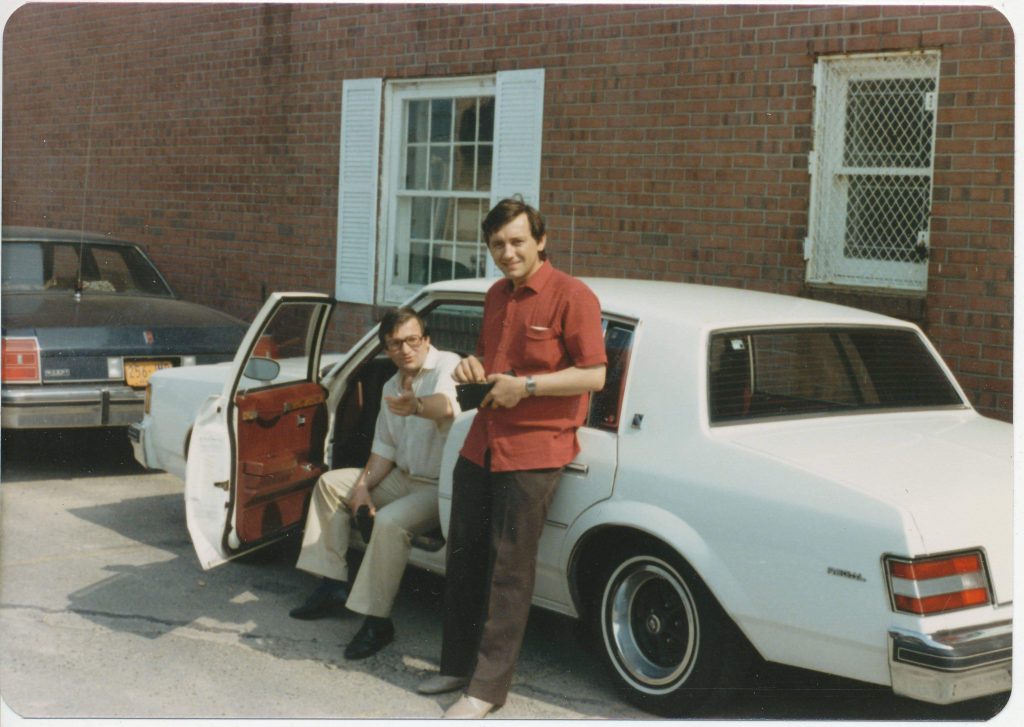
In the ’80s, computers slowly but surely started making their way into every nook and cranny of our lives. That was the spirit of the times.
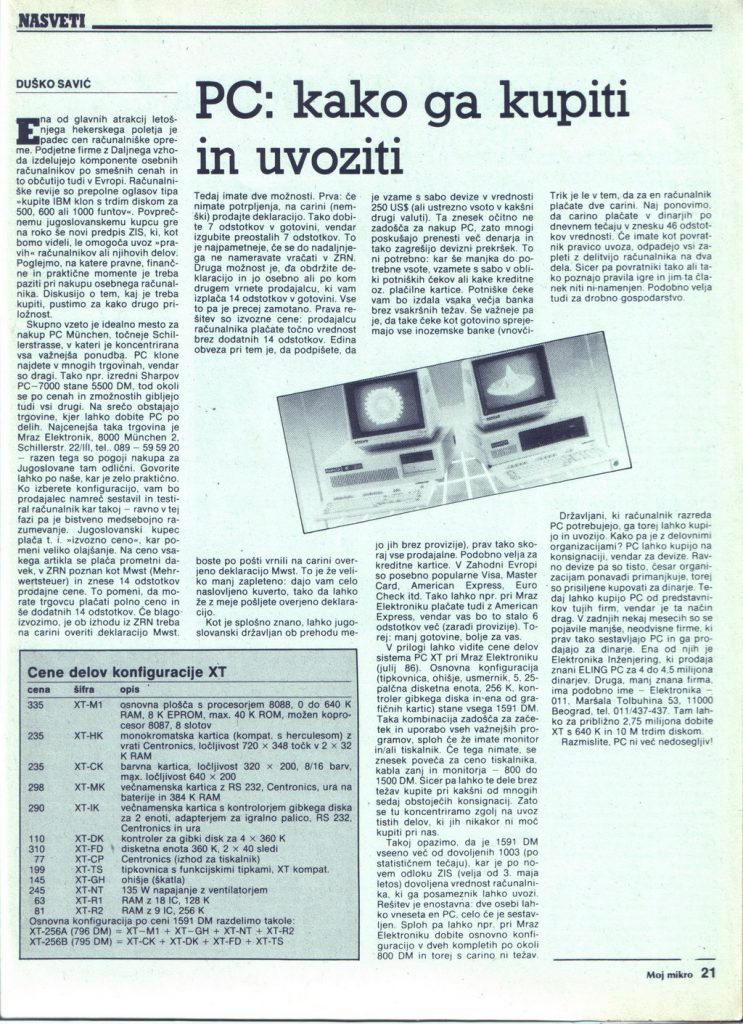
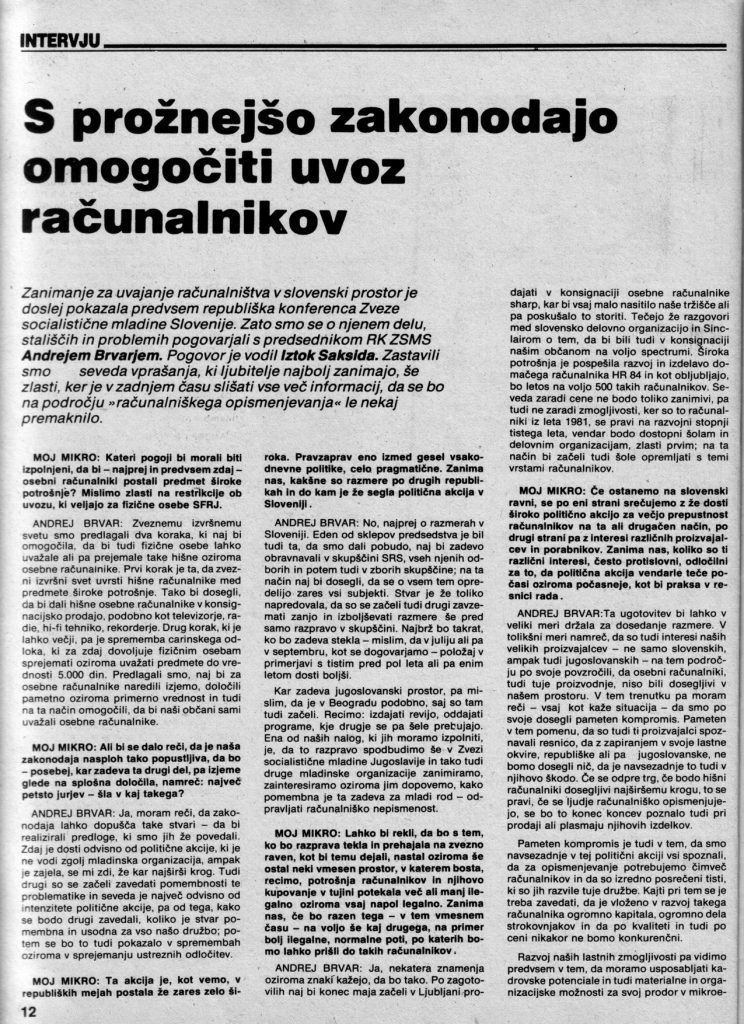
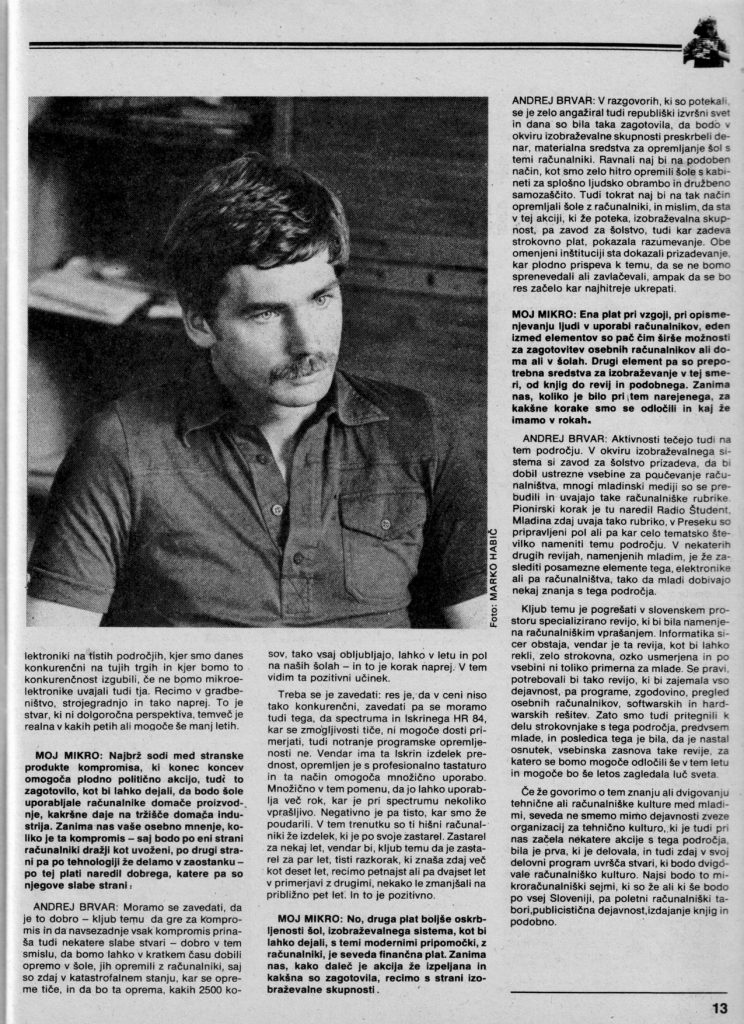
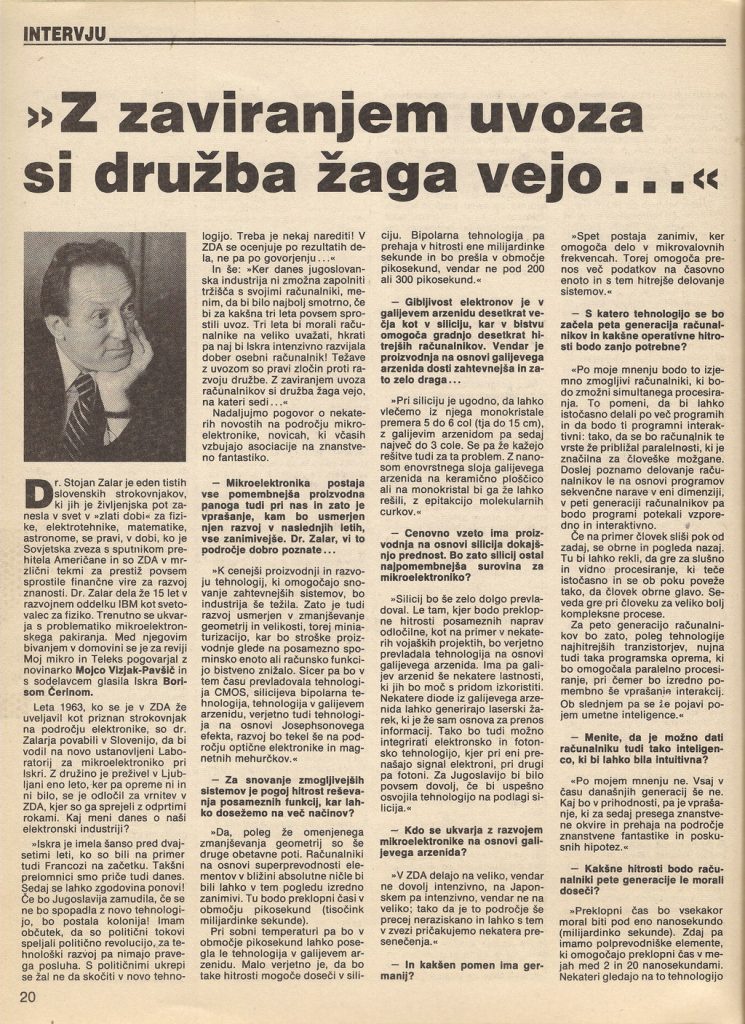
The moment when a computer, carefully hidden somewhere between the laundry detergents and oranges, arrived at the border was often the quietest moment in many families. Despite purchase restrictions and astronomical prices, customs officers could not prevent our growing wish for digital development. The computer became a special crossroad of family and community life. We shared everything: hardware, knowledge, and software.
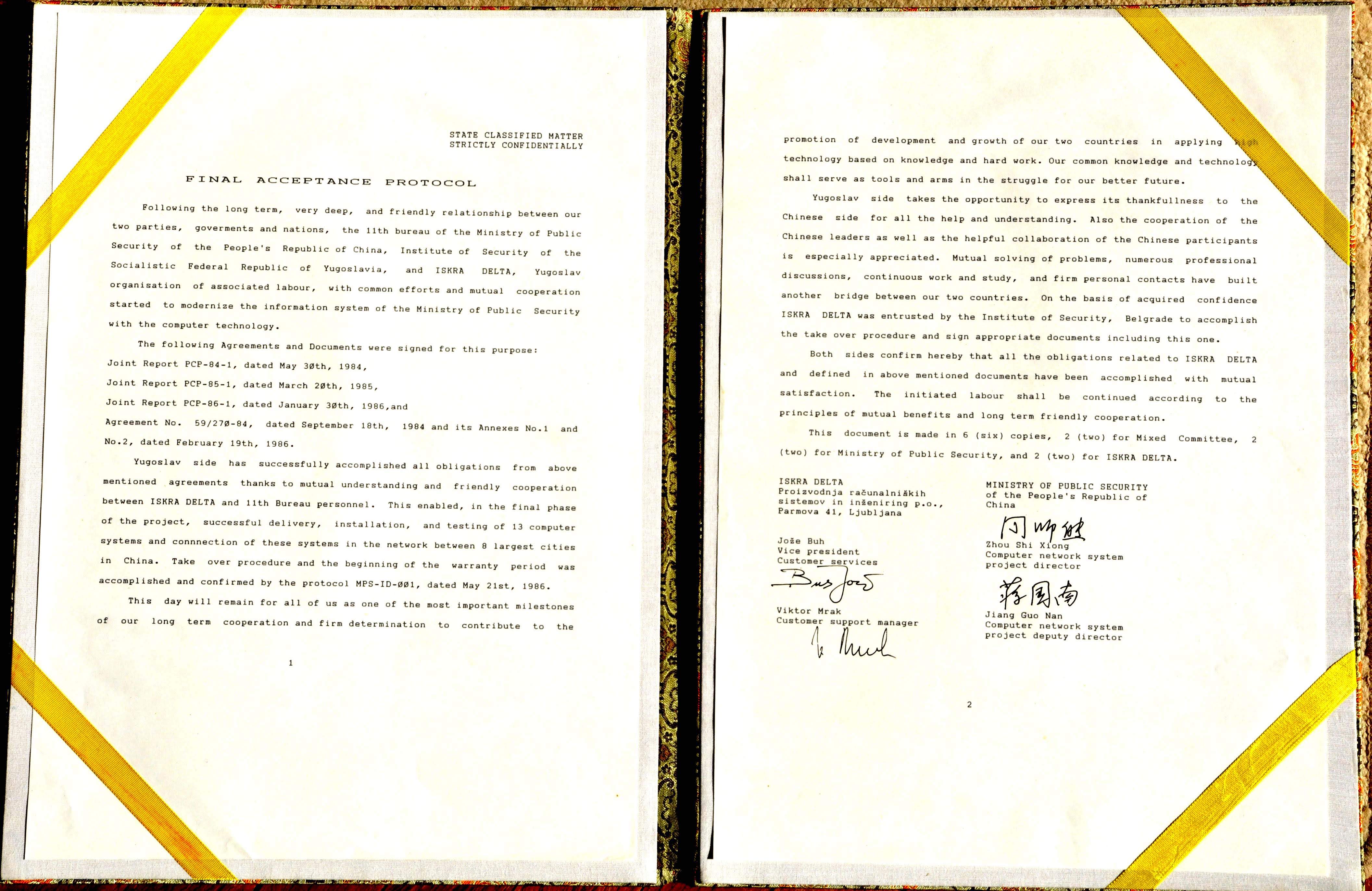
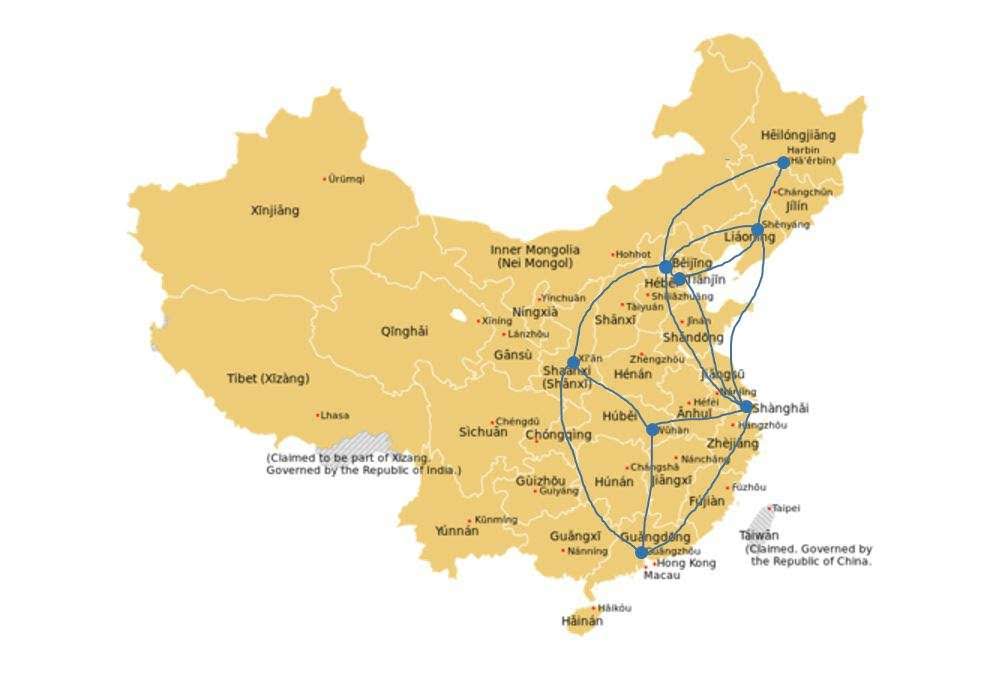
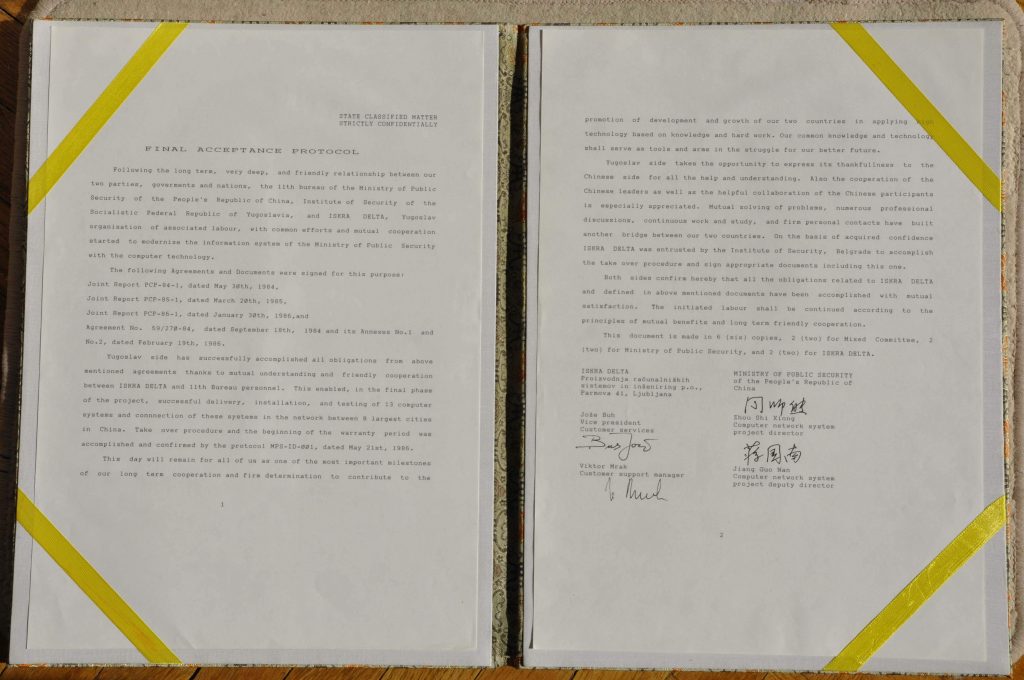
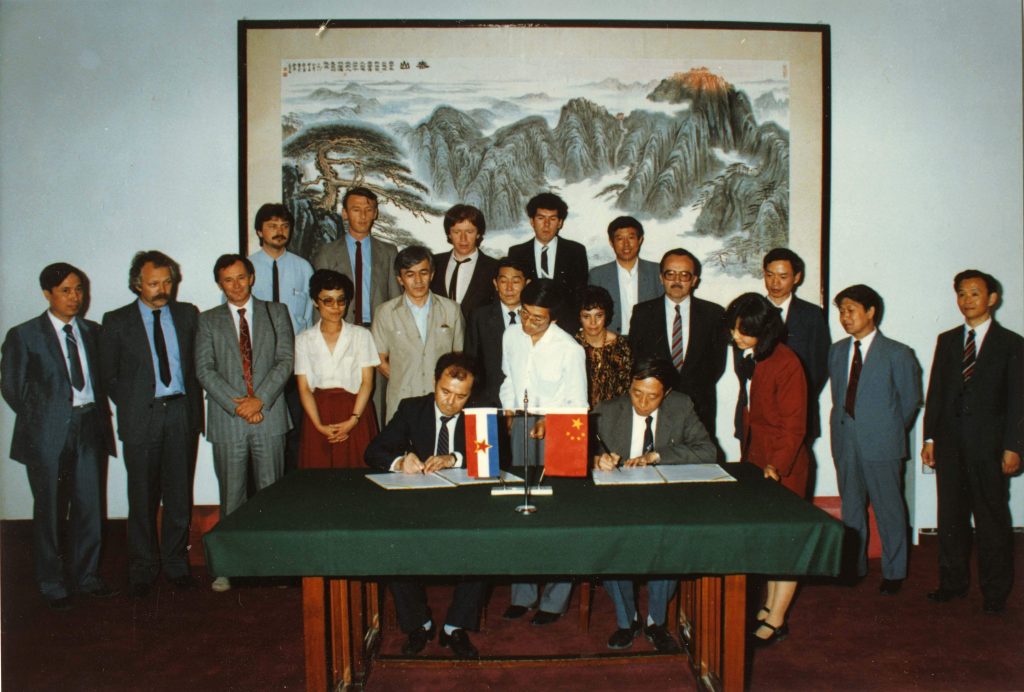
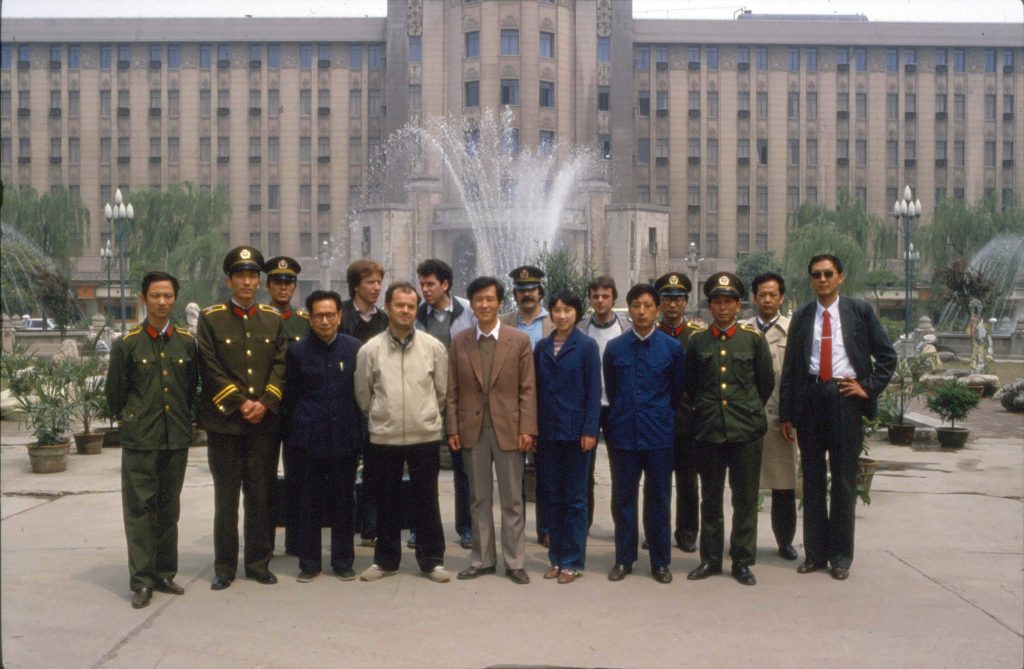
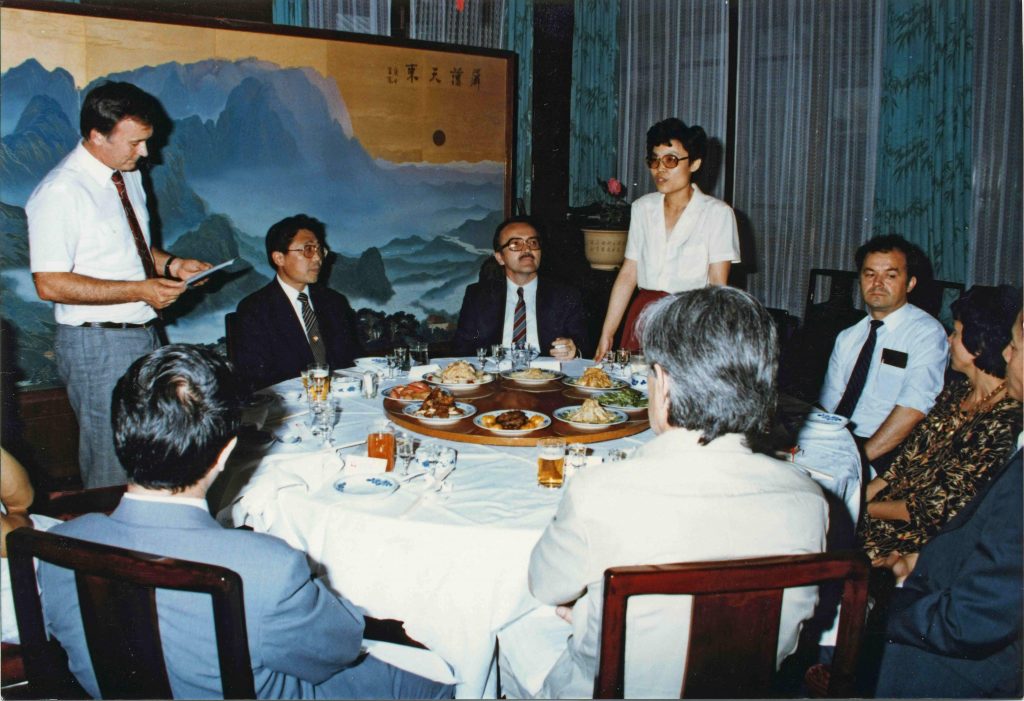
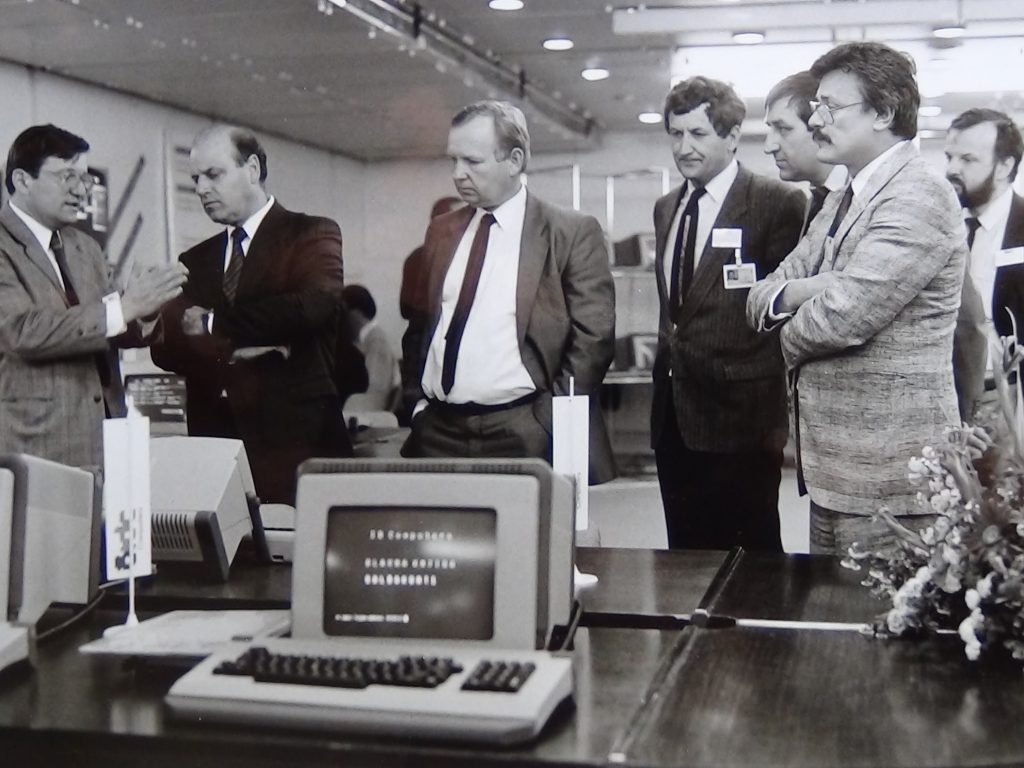
Simultaneously, the high-tech company Iskra Delta managed a breakthrough into China. In Ljubljana, behind the strictly closed doors of Cankarjev dom, the equipment for the infrastructure project codenamed “Projekt Milijarda” (Project Billion) was made. Afterward, they used it to connect 10 cities into a computer network over Chinese telephone lines, which enabled the Chinese authorities and police to maintain more precise control over the rapidly growing population.
The exhibited computers tell us a story that borders can be overcome – in those days, perhaps in an even more thrilling way.
- Exhibition Authors: Boštjan Špetič, Borut Kumperščak, Mateja Pucihar Baebler (curator), Gaja Zornada, Sergej Štukelj, Marko Štamcar,
- Event Organisation: Mitja V. Iskrić, Artur Švarc
- Design: Vesna Krebs
- Photography: Jure Koren, I Delta Club archives, Tomcat online archives
Sources:
- REPE B., KEREC D. Slovenija moja dežela, Cankarjeva založba,2017.
- ŠKRUBEJ J. Hladna vojna in bitka za informacijsko tehnologijo, Založba Pasadena, 2018
- http://ideltaclub.com
- http://retrospec.sgn.net/users/tomcat/yu/index.php
- C. BREJC, PREDOR KARAVANKE IN DOVOZNI CESTI, Republiška uprava za ceste, 1991
Welcome to 1986
How did you smuggle computers past the border? And which ones?
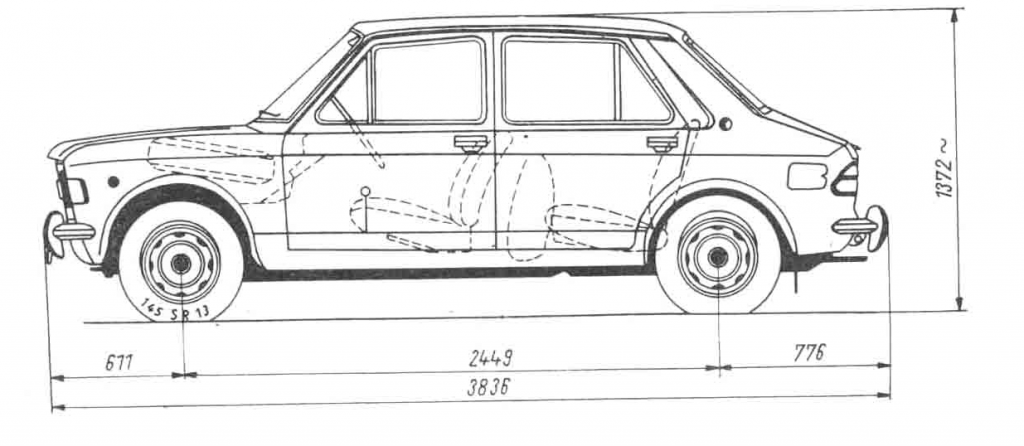
Smuggling was both the core and main obstacle to the society’s computerization.
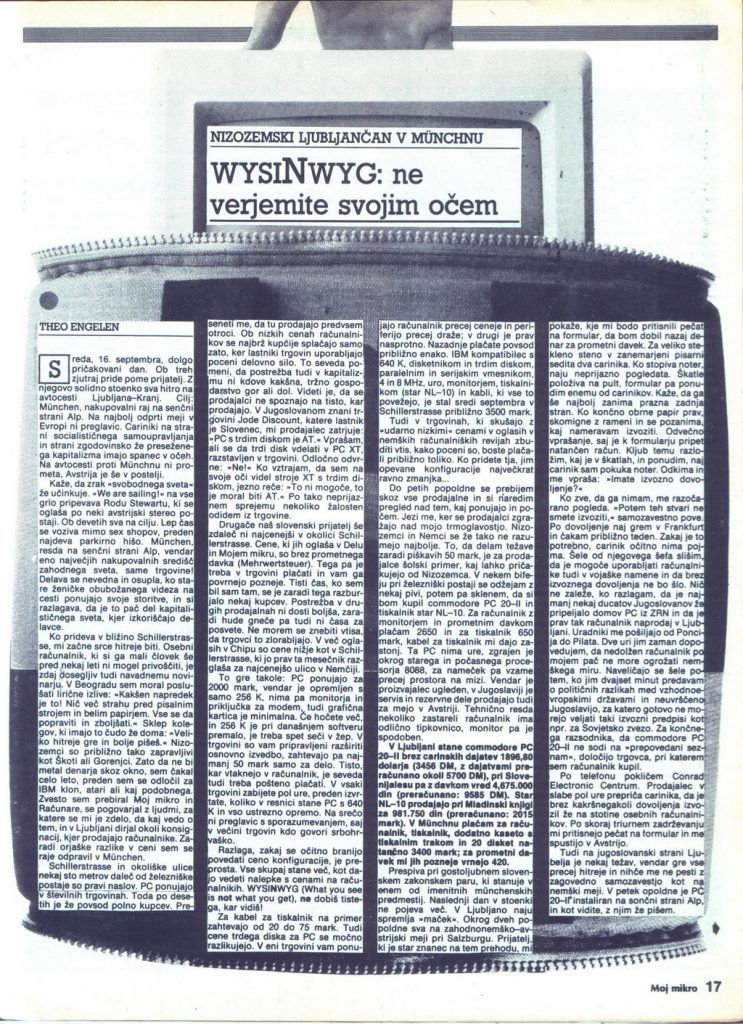
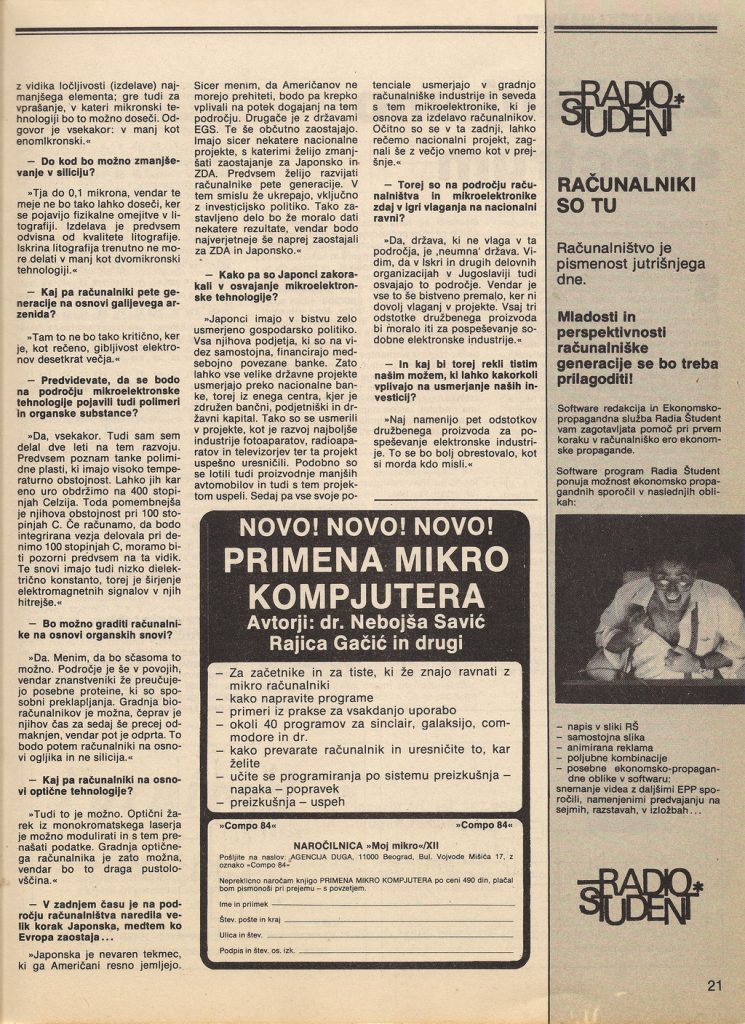
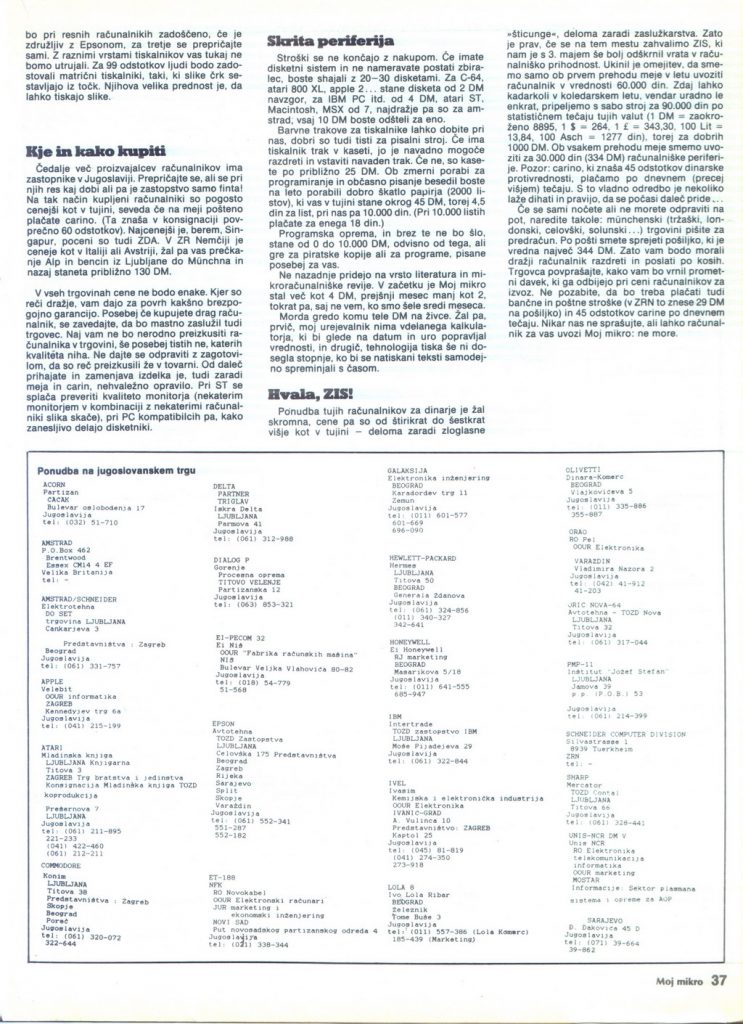
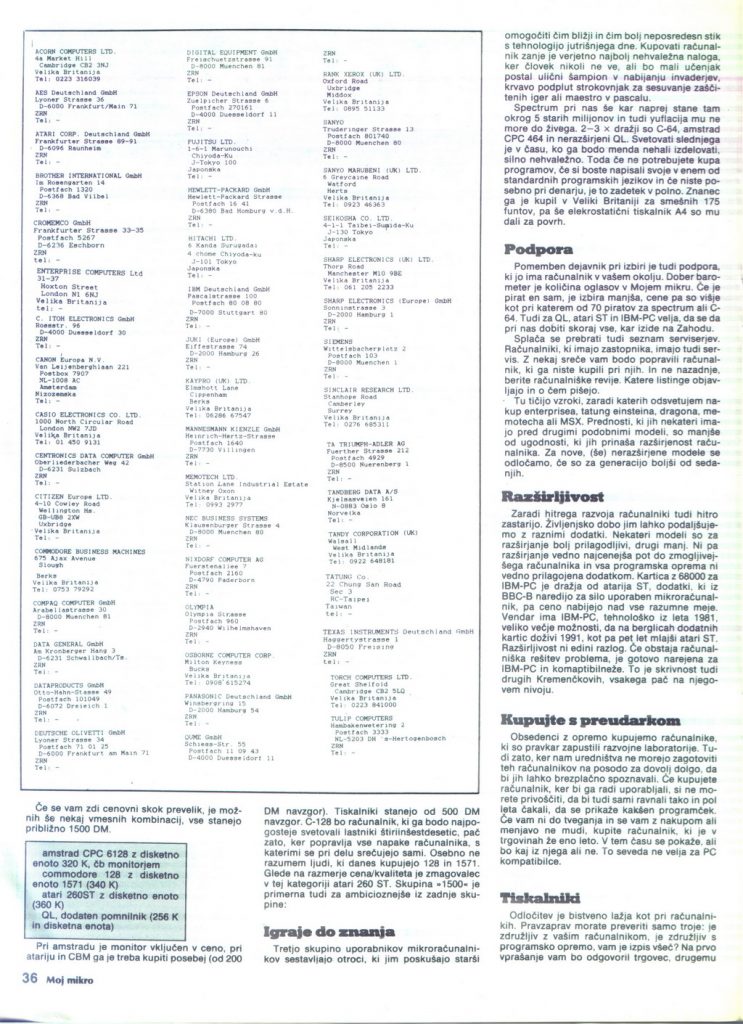
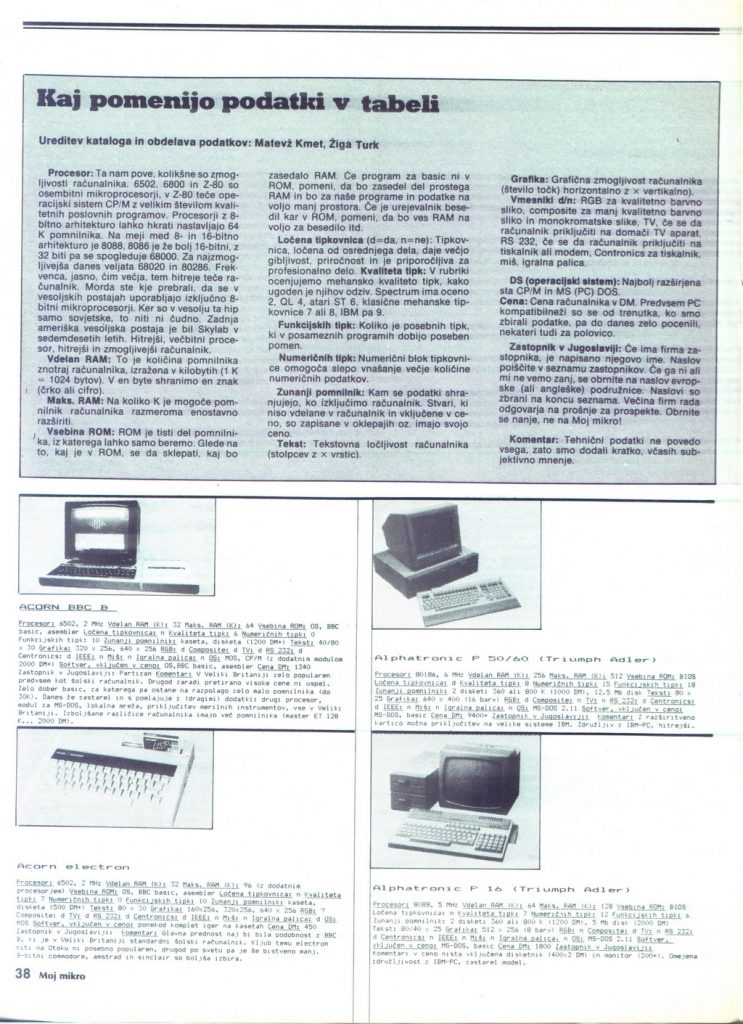
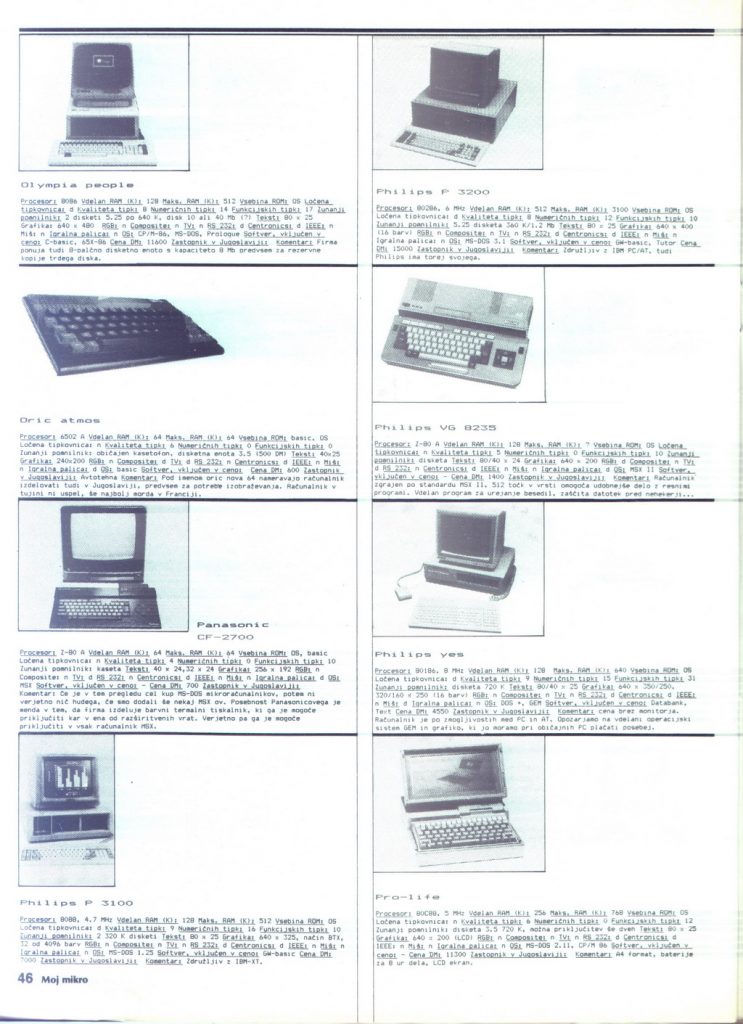
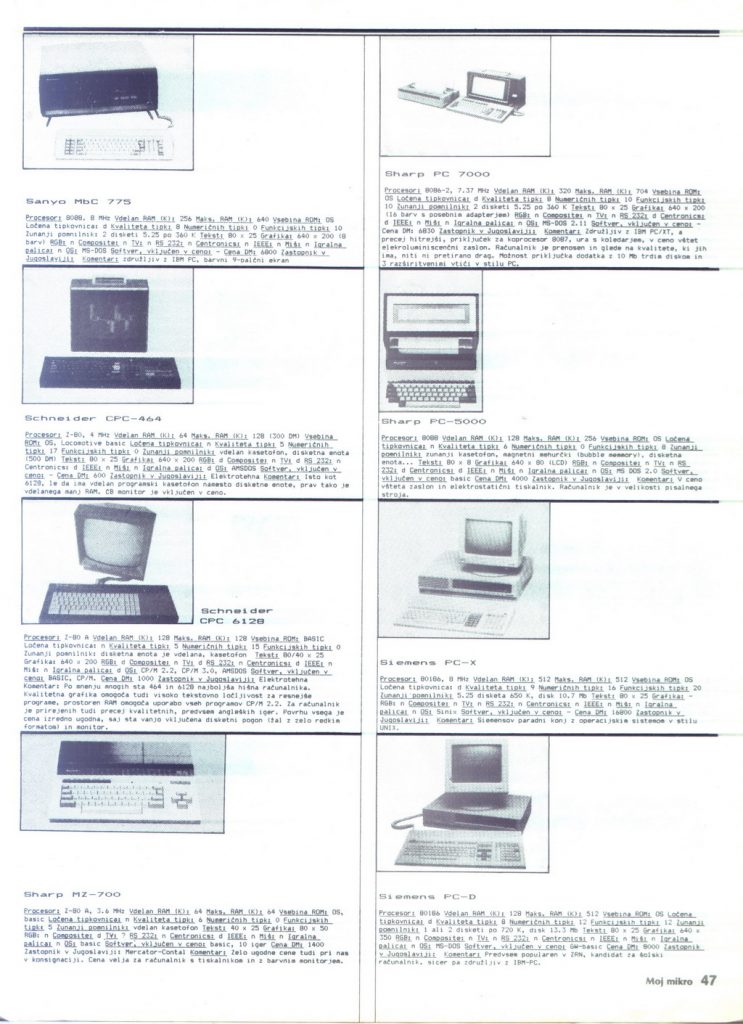
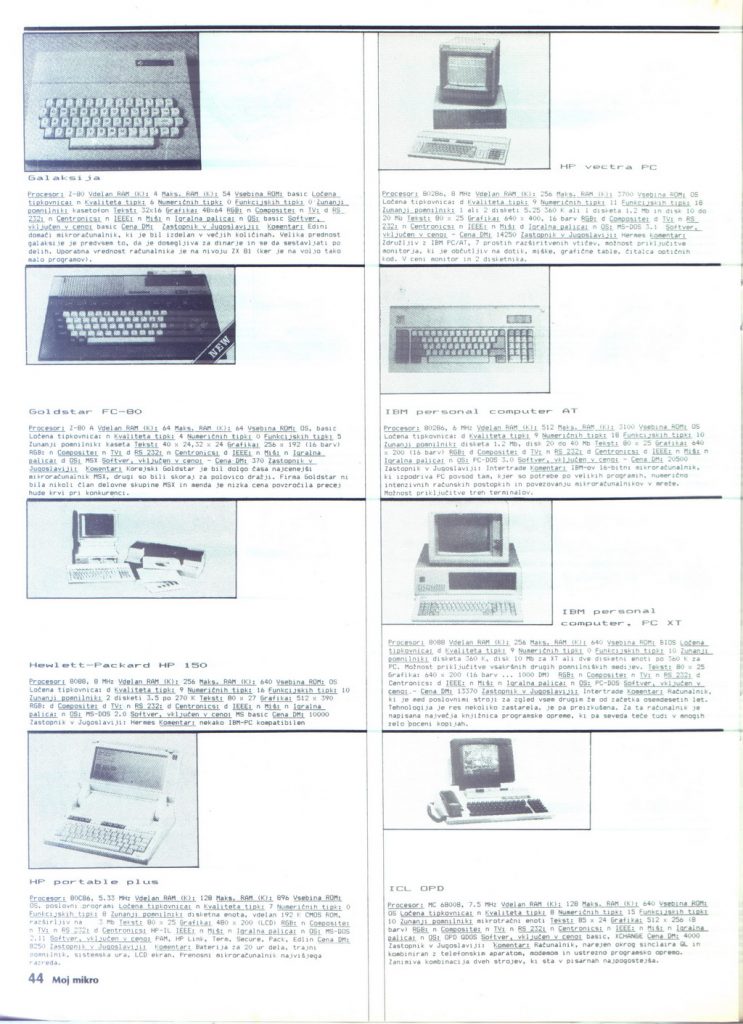
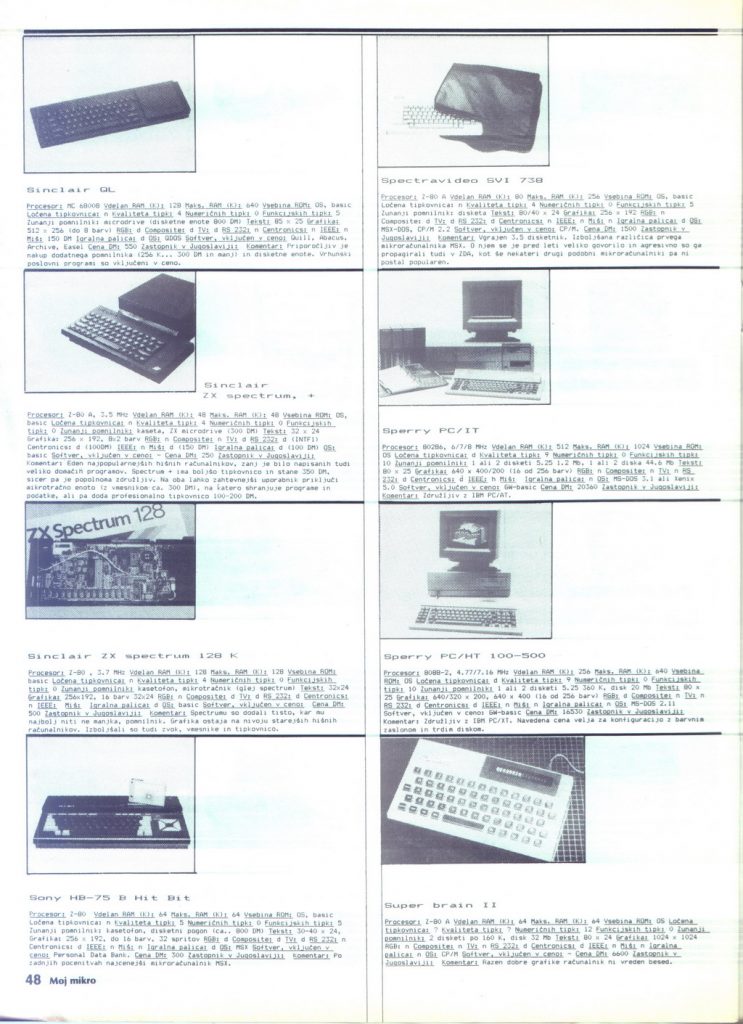
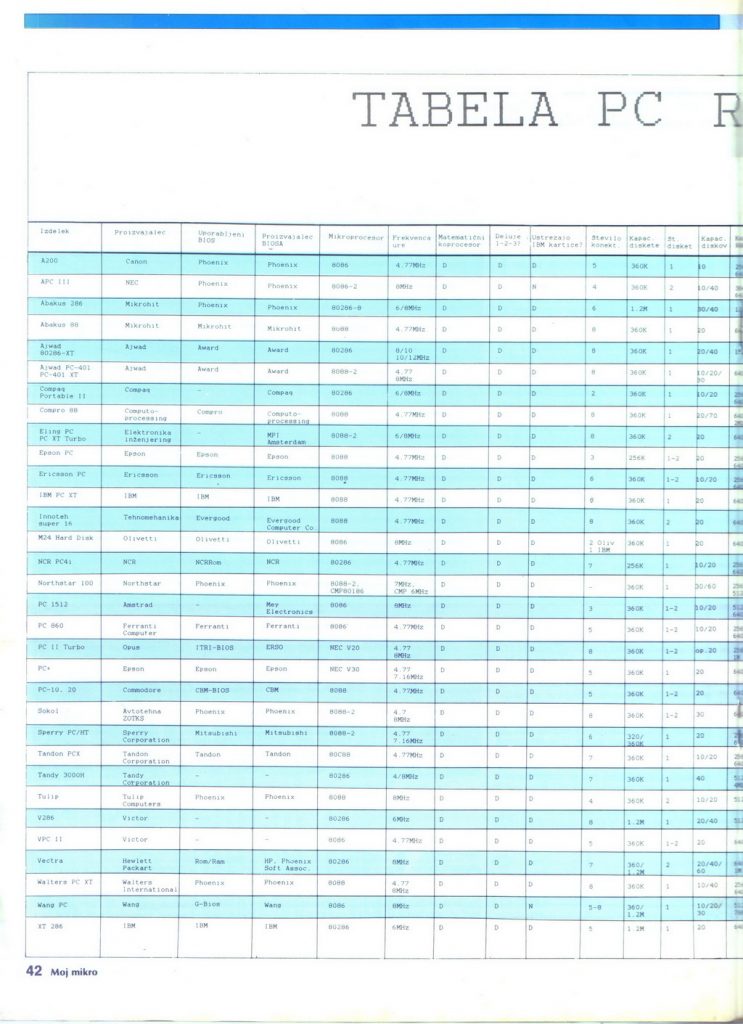
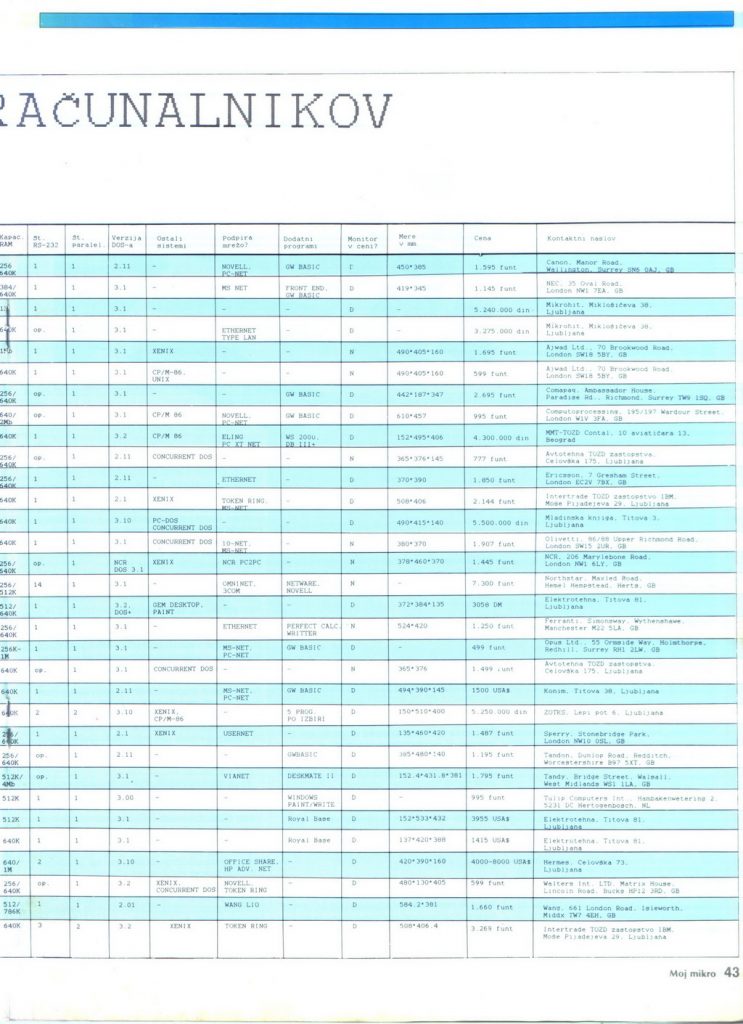
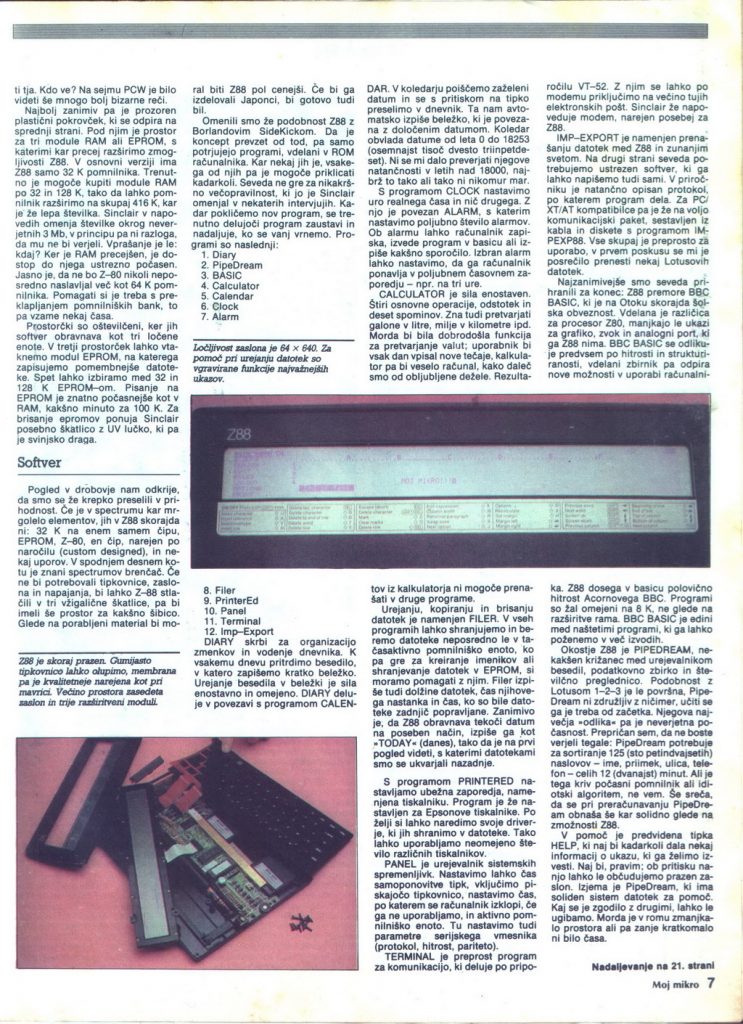
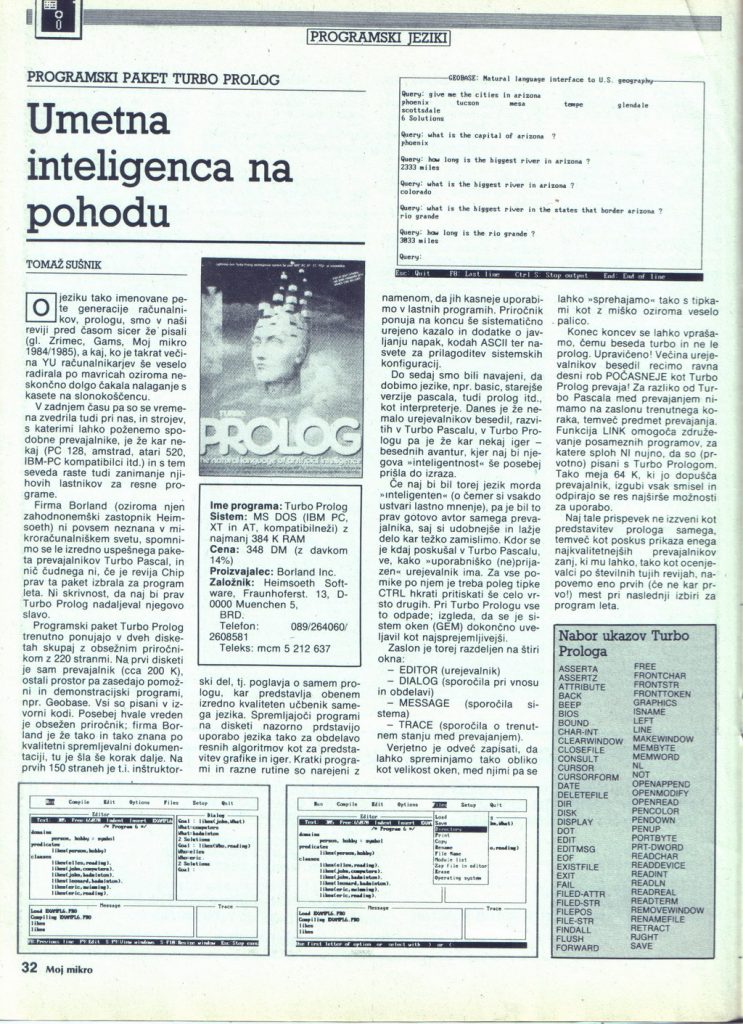
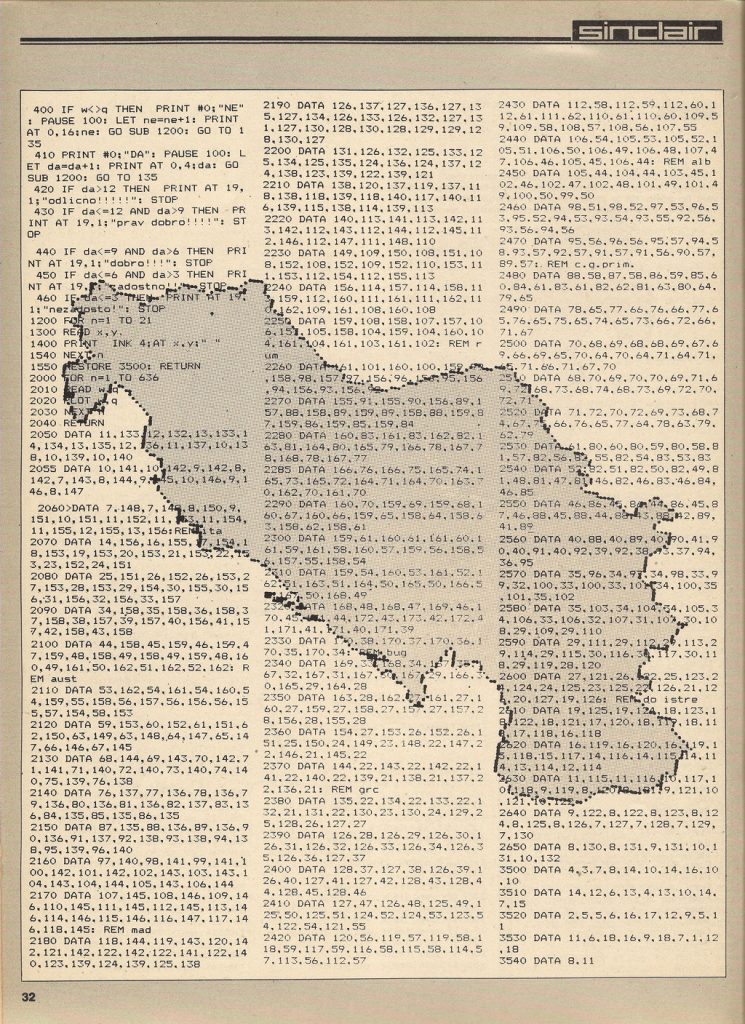
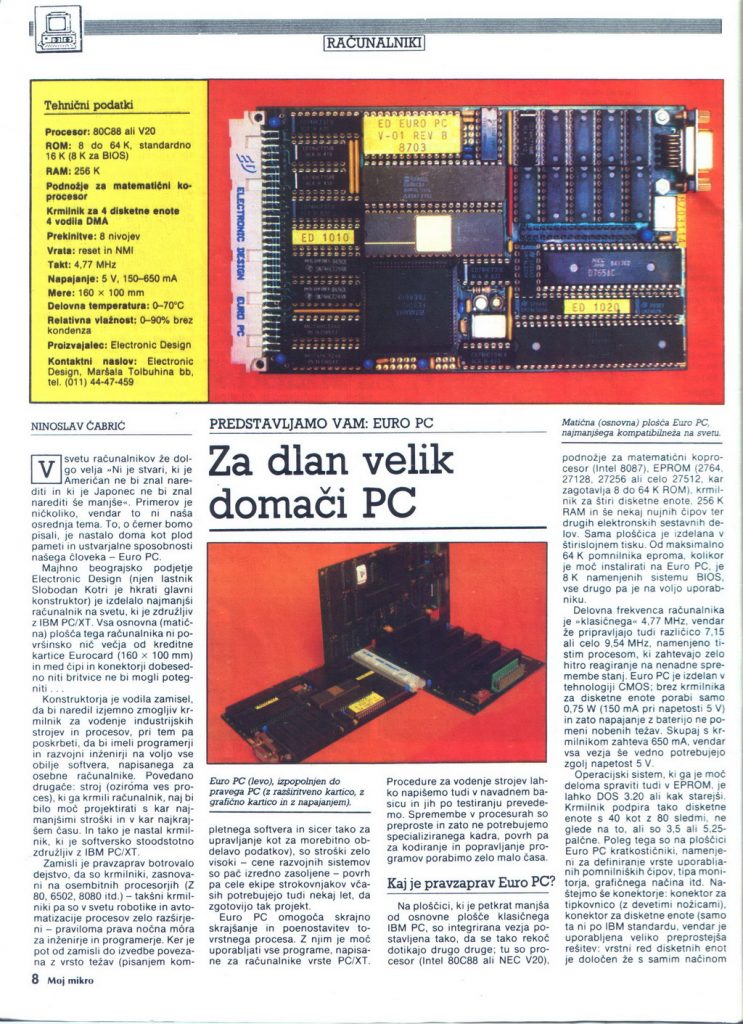
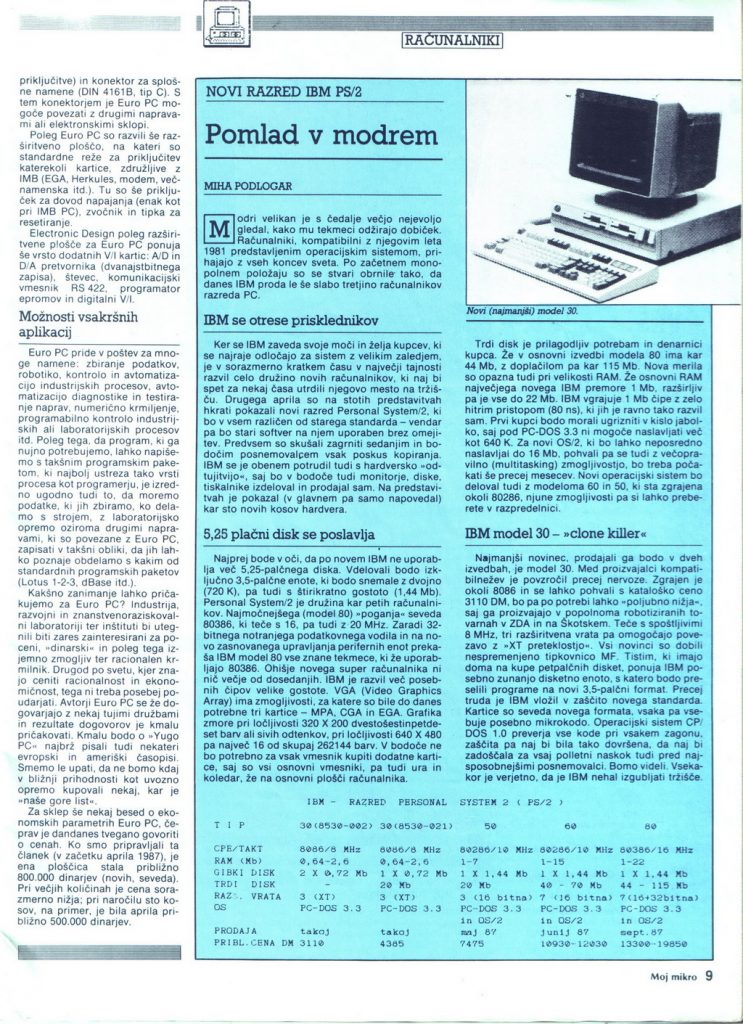
All home computers in the Yugoslav market in 1986
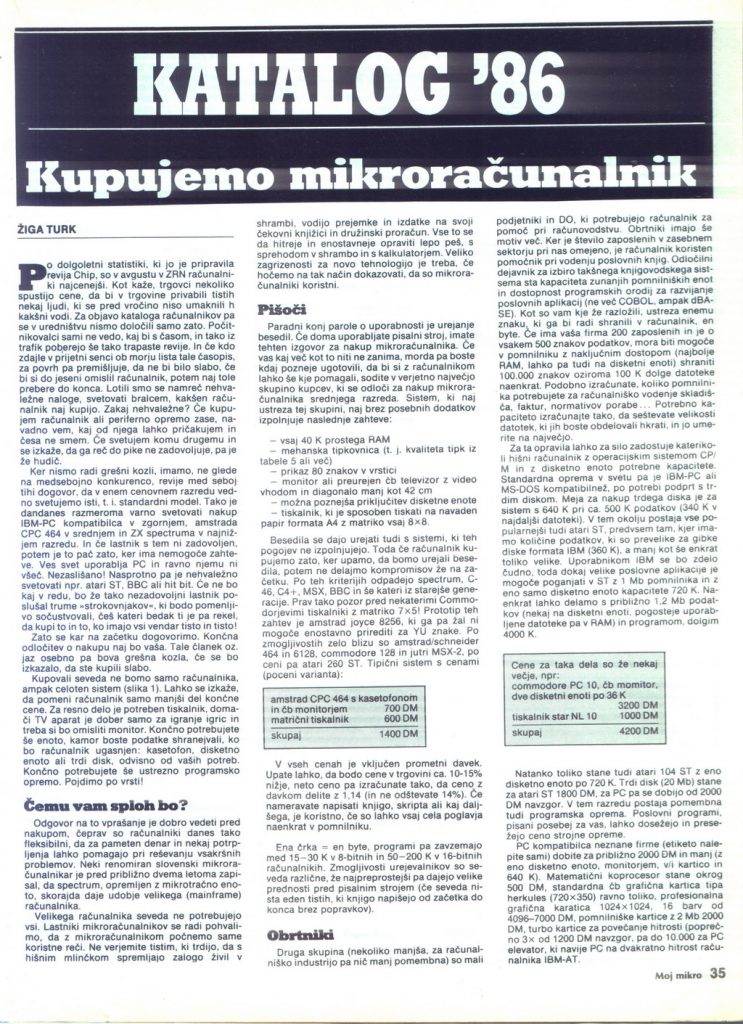
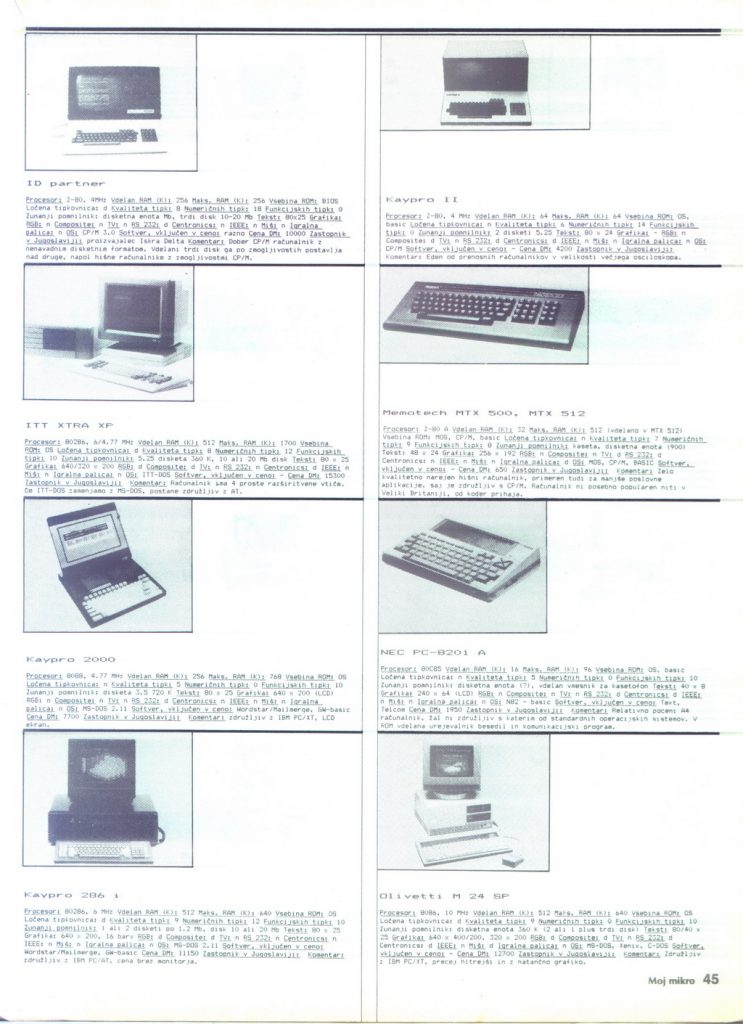
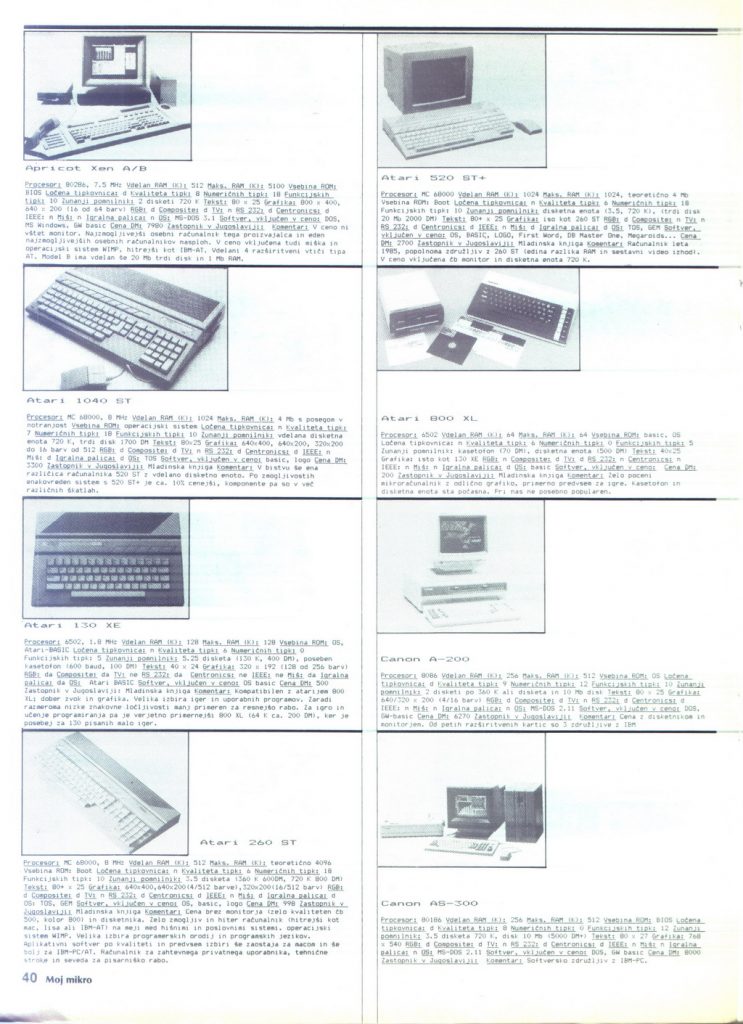
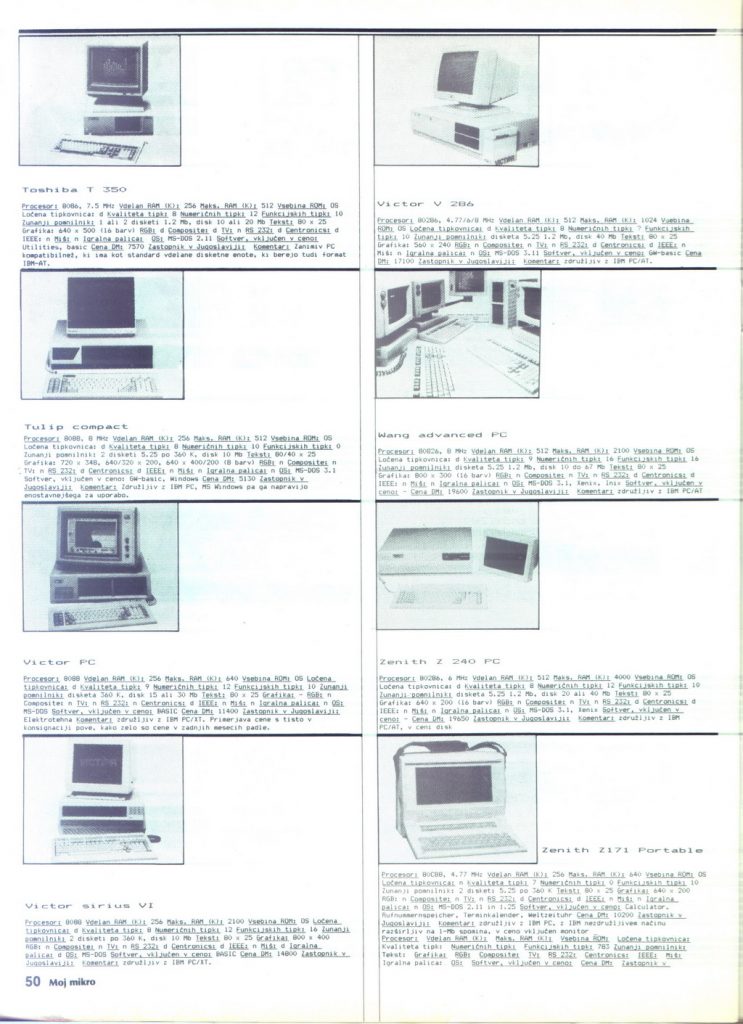
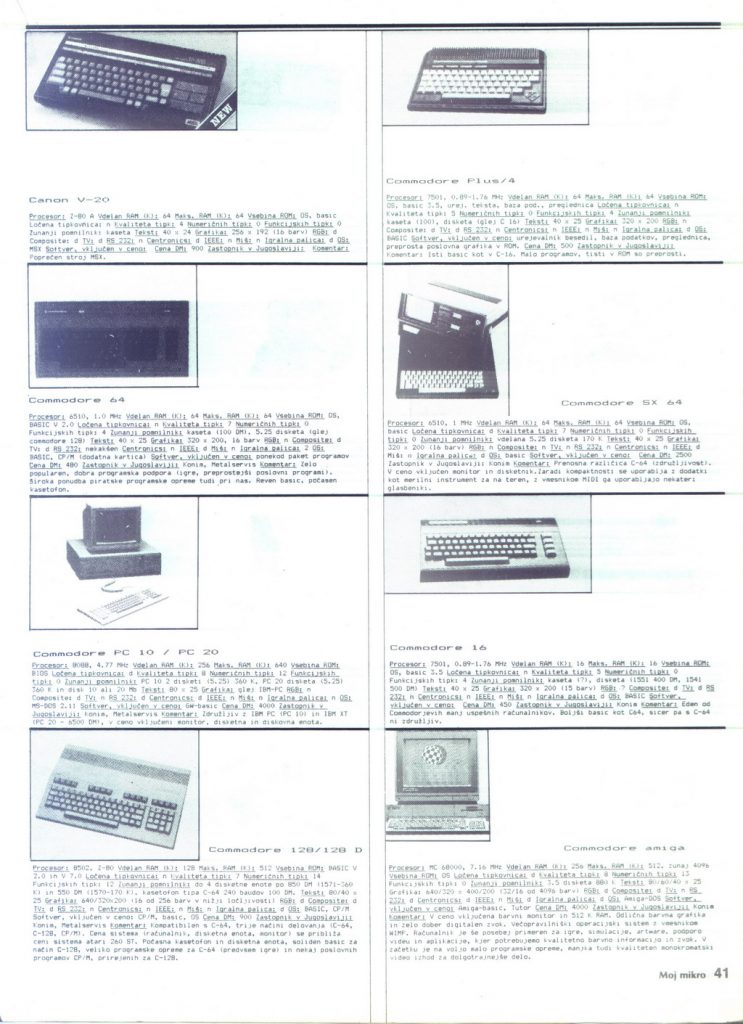
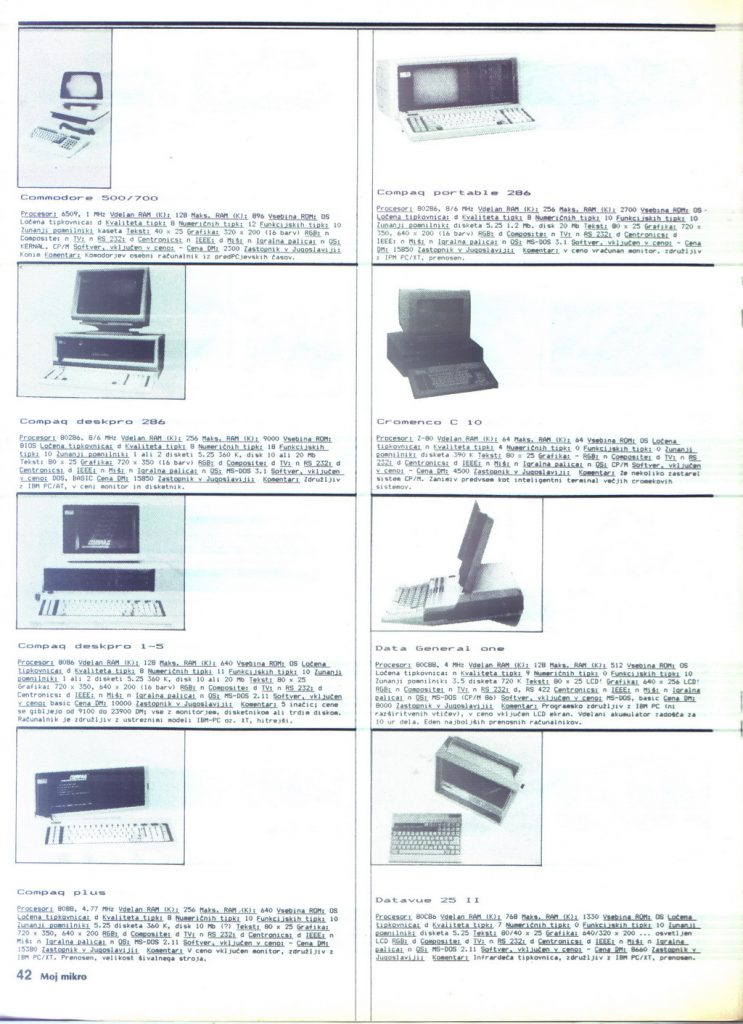
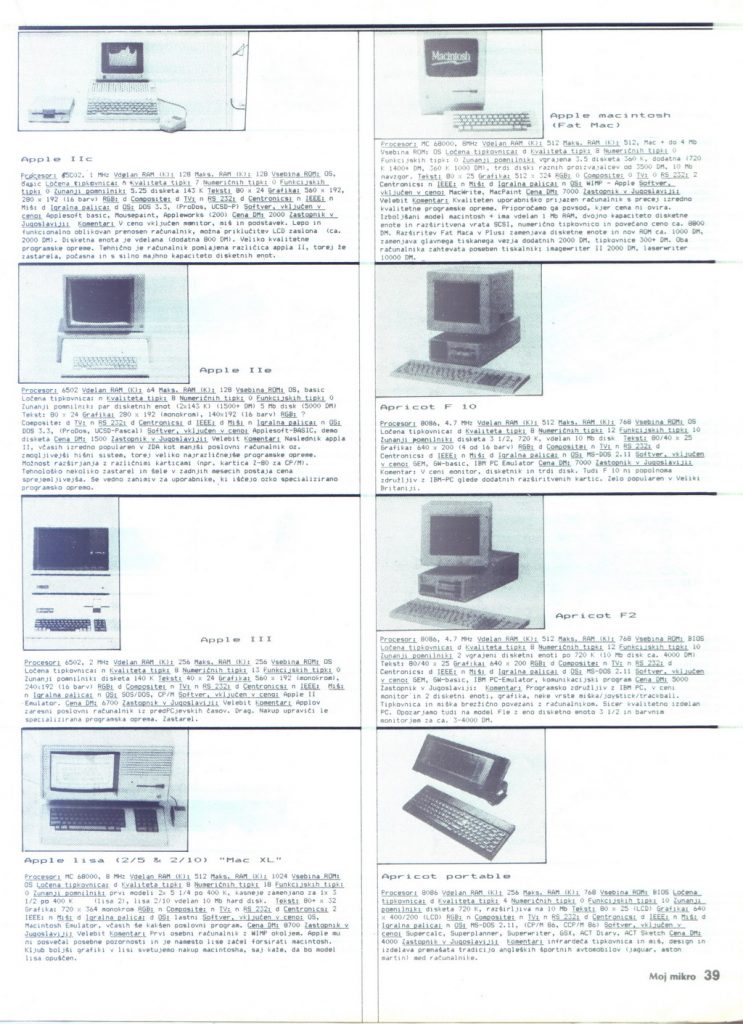
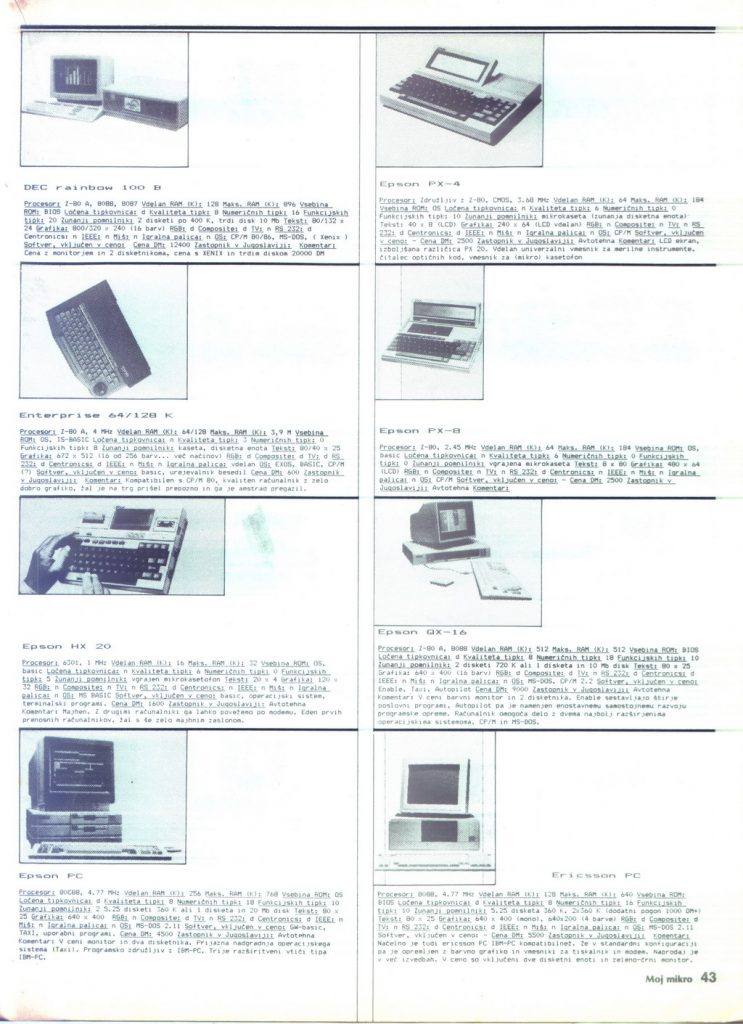
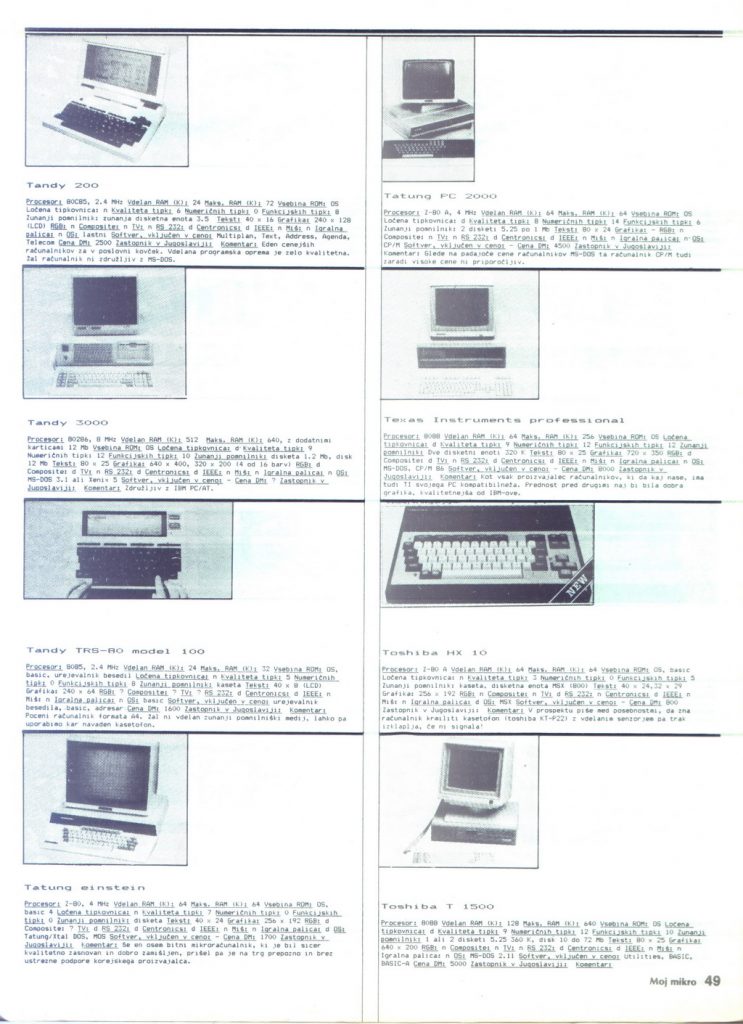
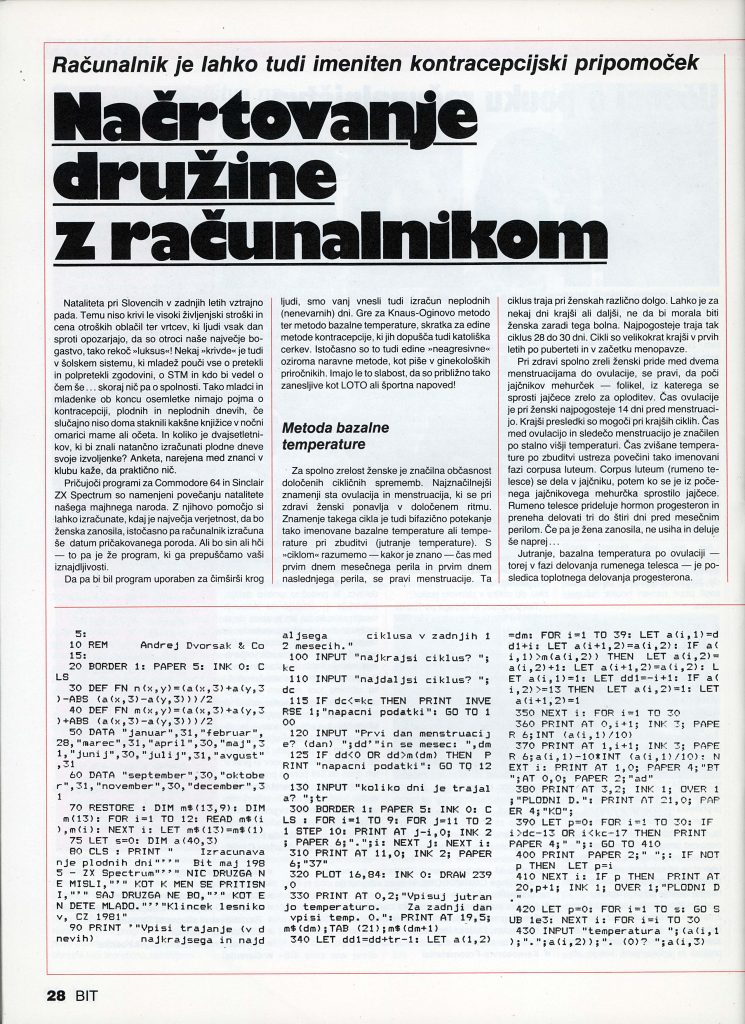
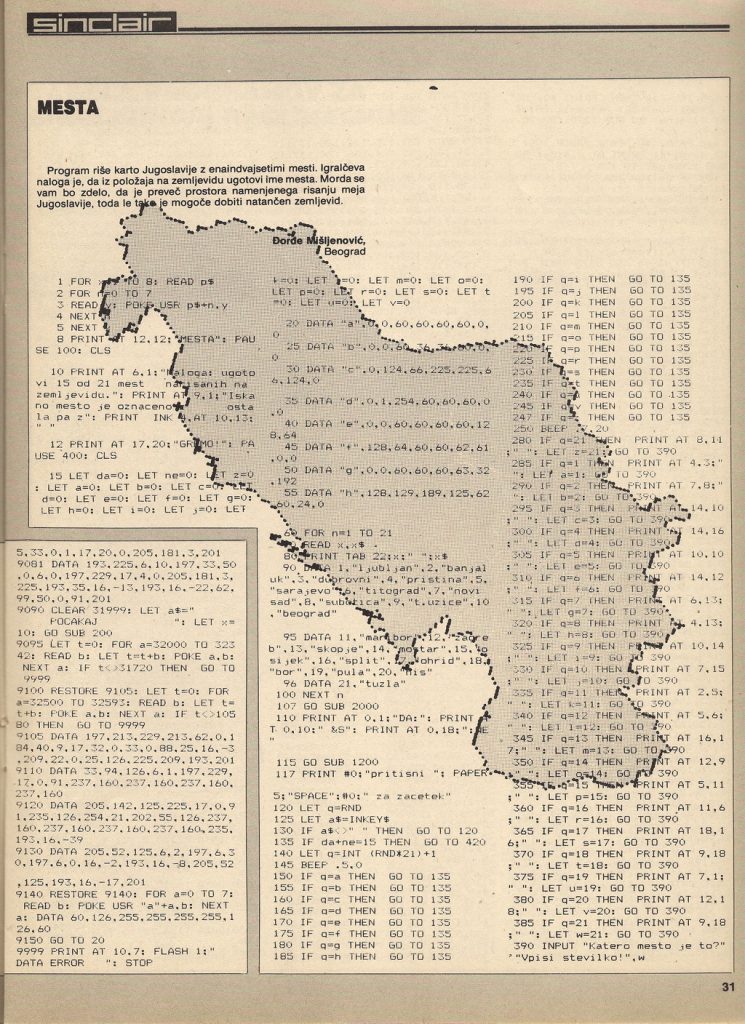
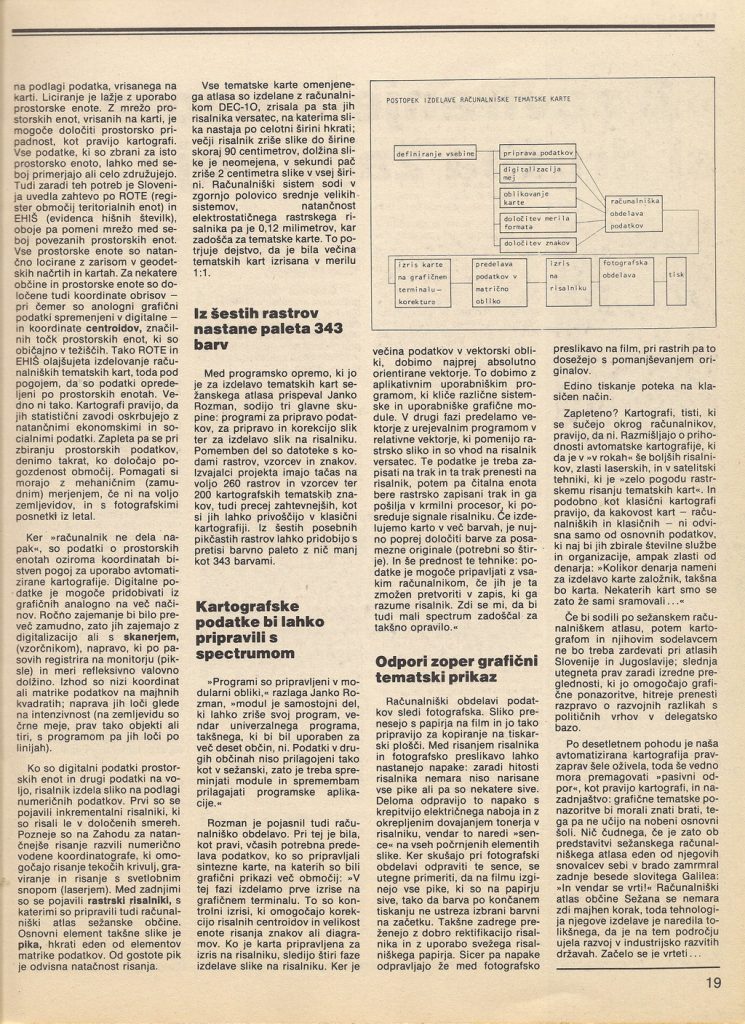
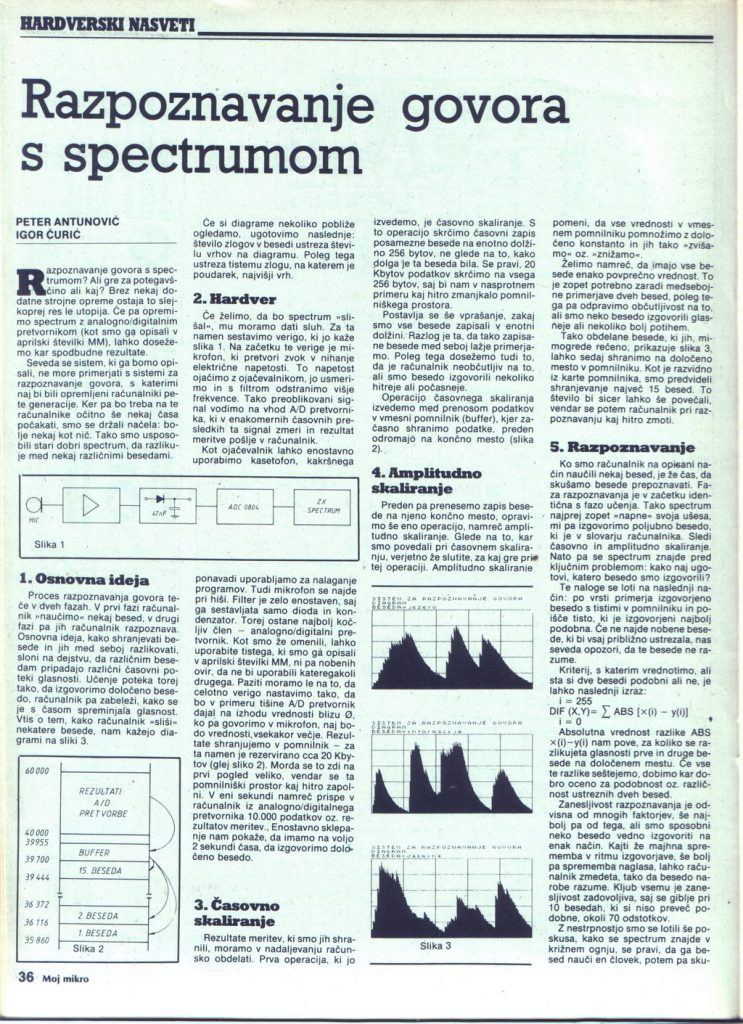
Software was circulated using homemade cassettes or even through radio.
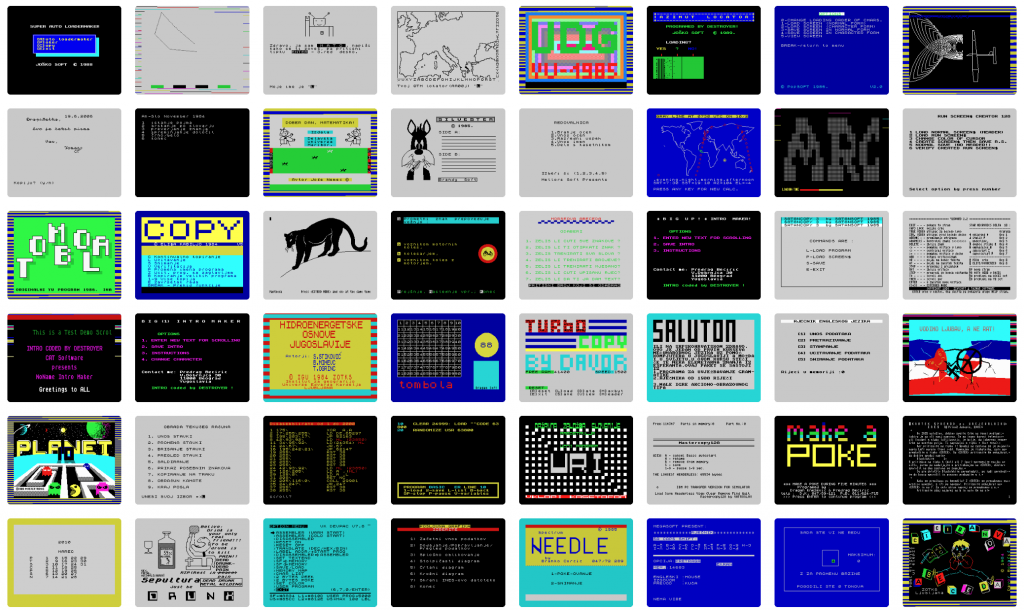
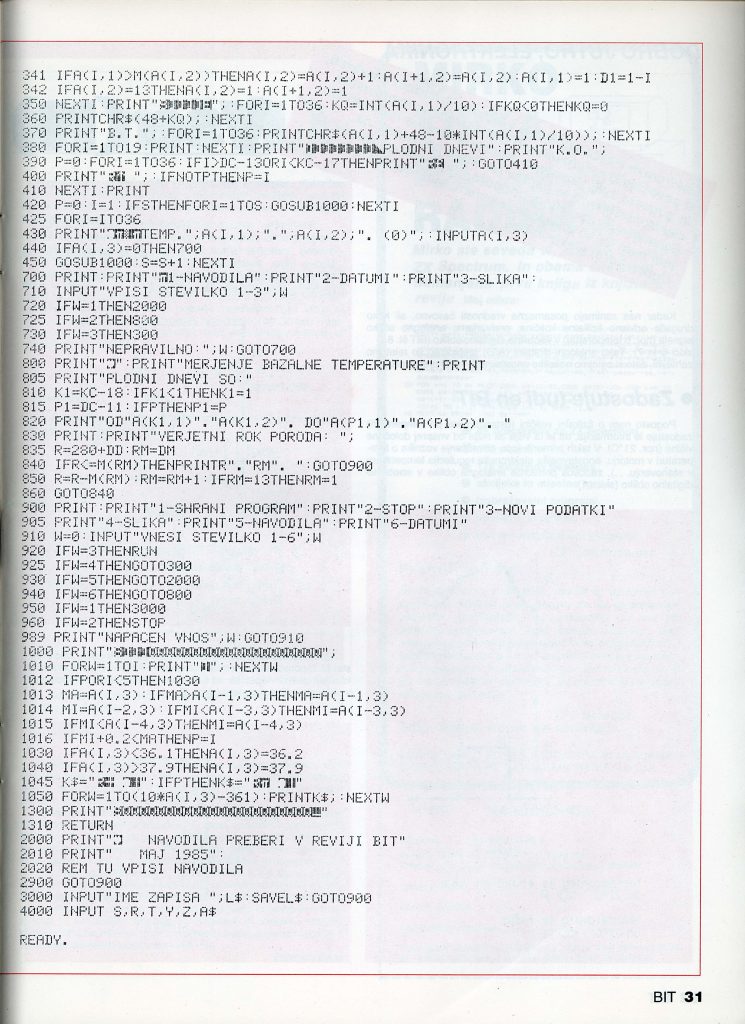
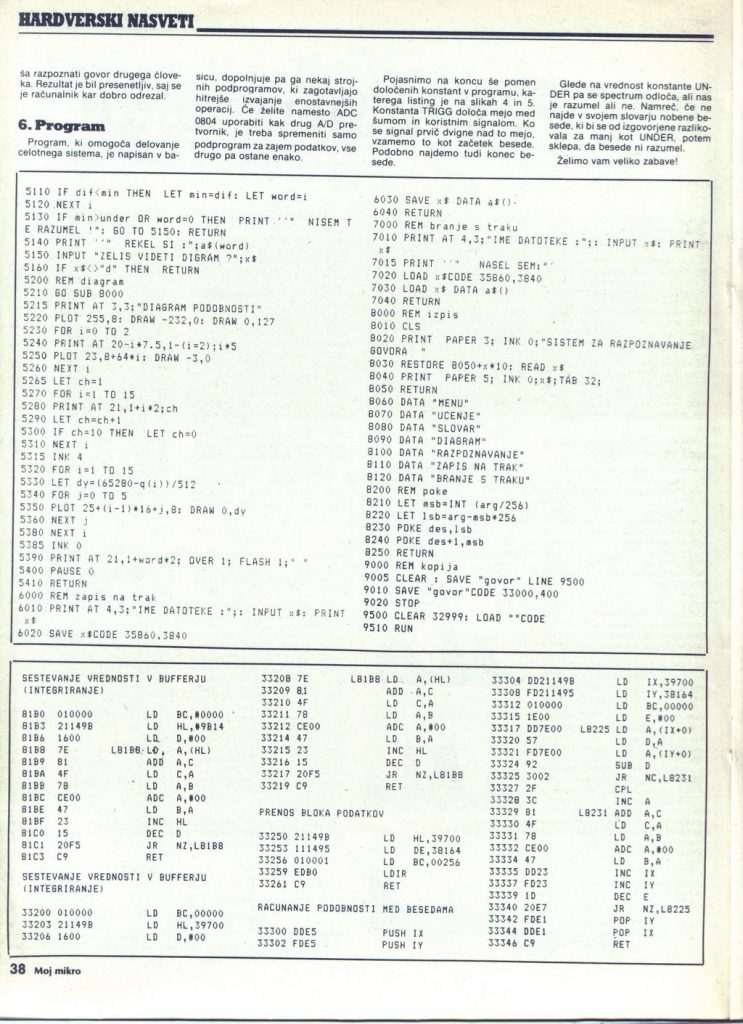
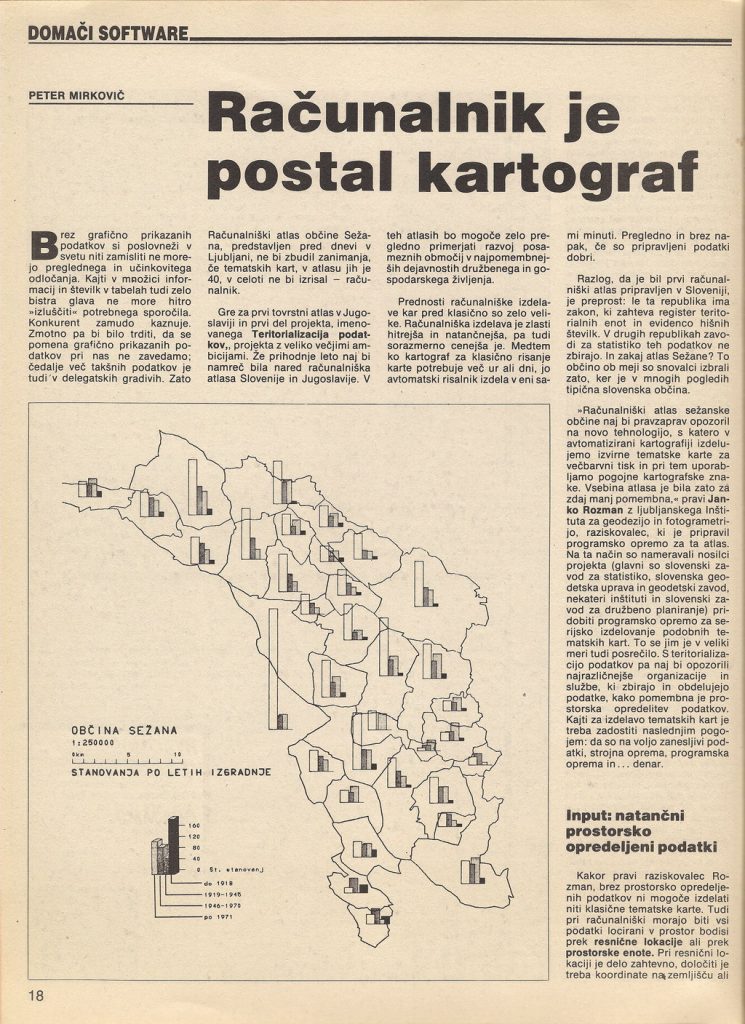
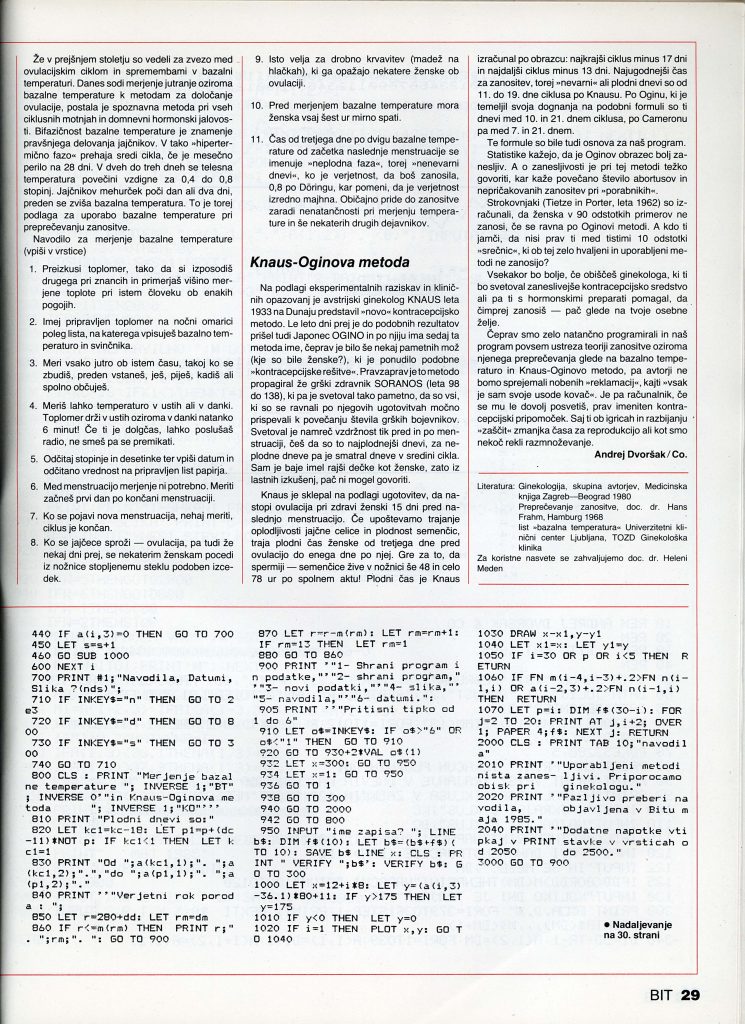
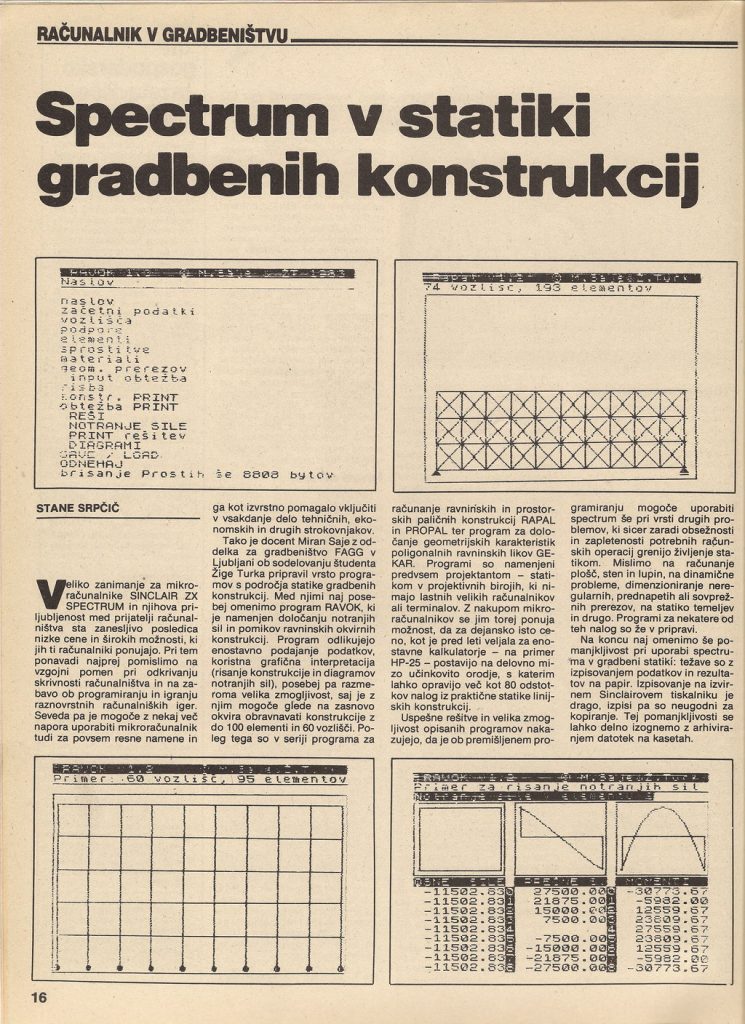
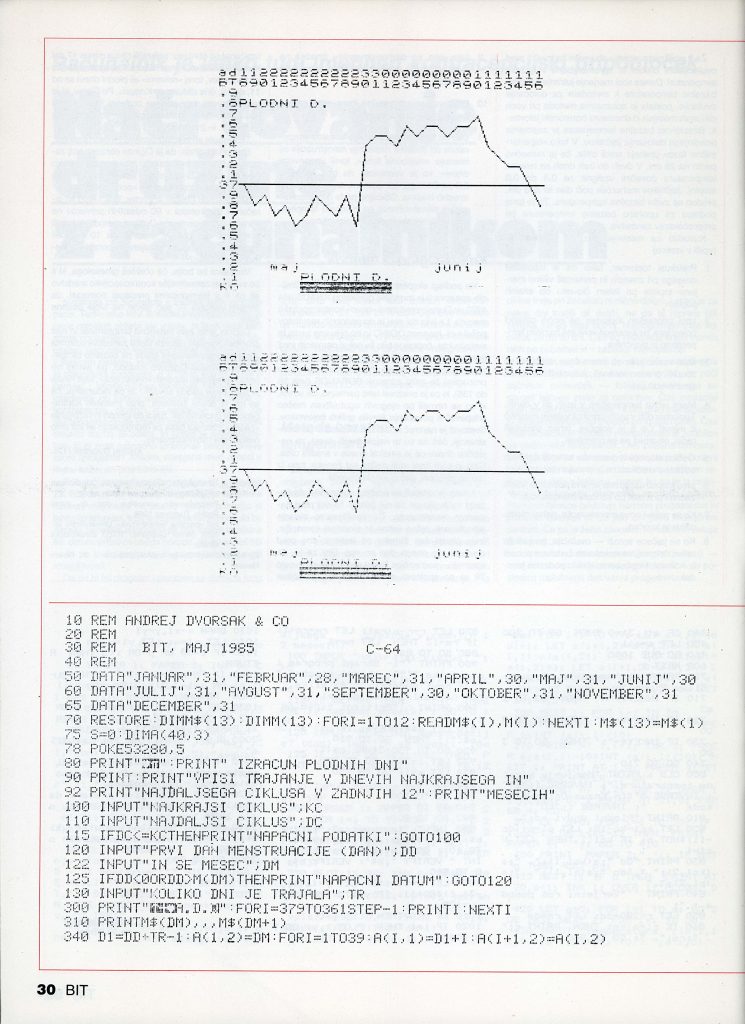
There is an app for every problem.
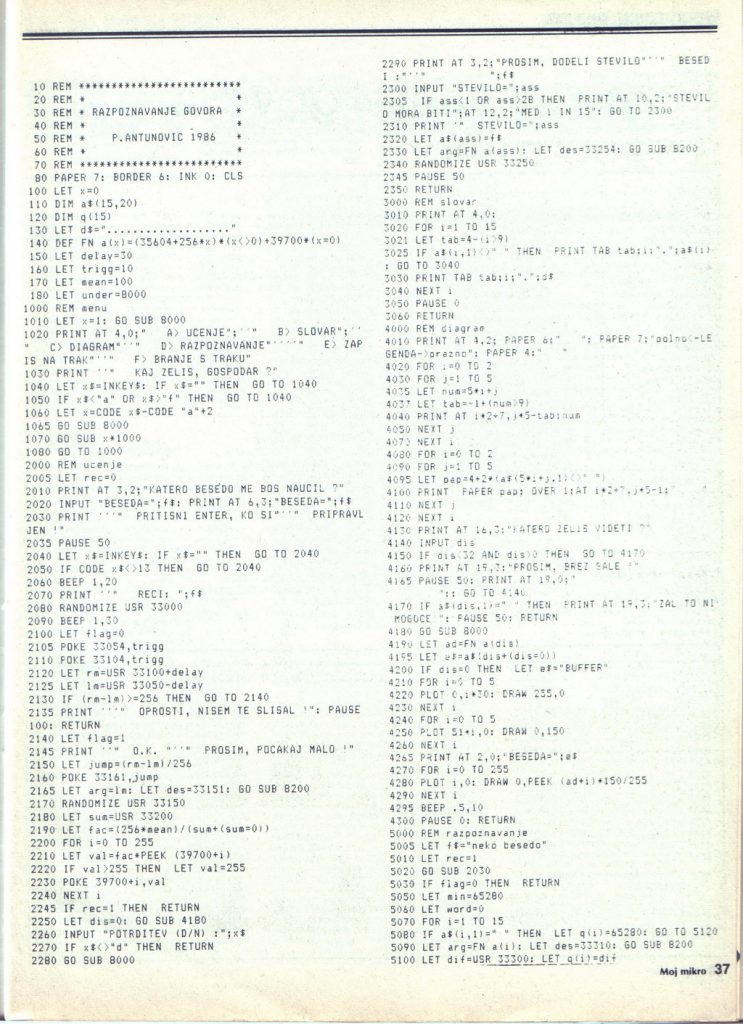
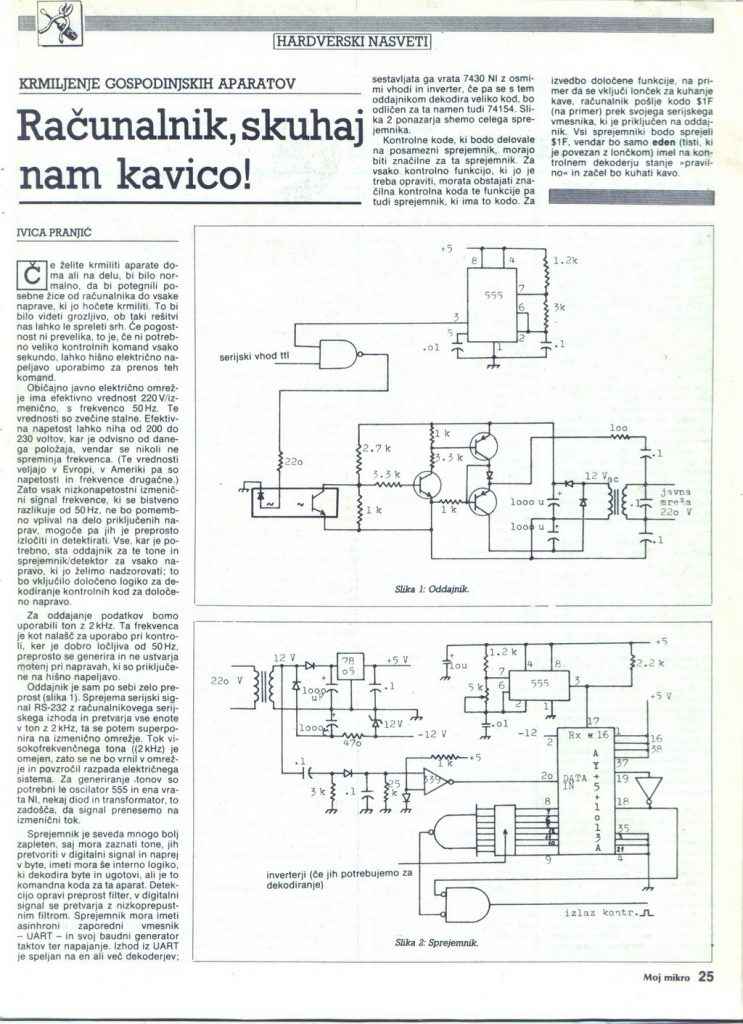
Projekt Milijarda (Project Billion)
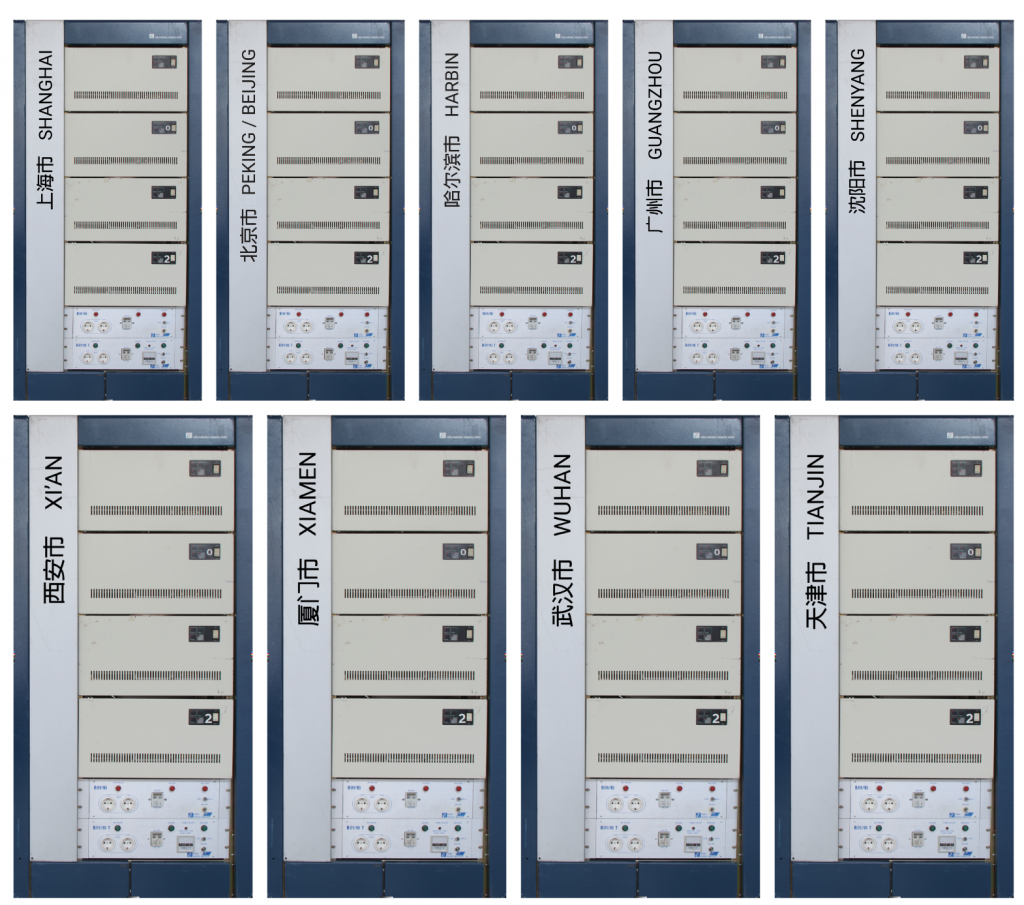
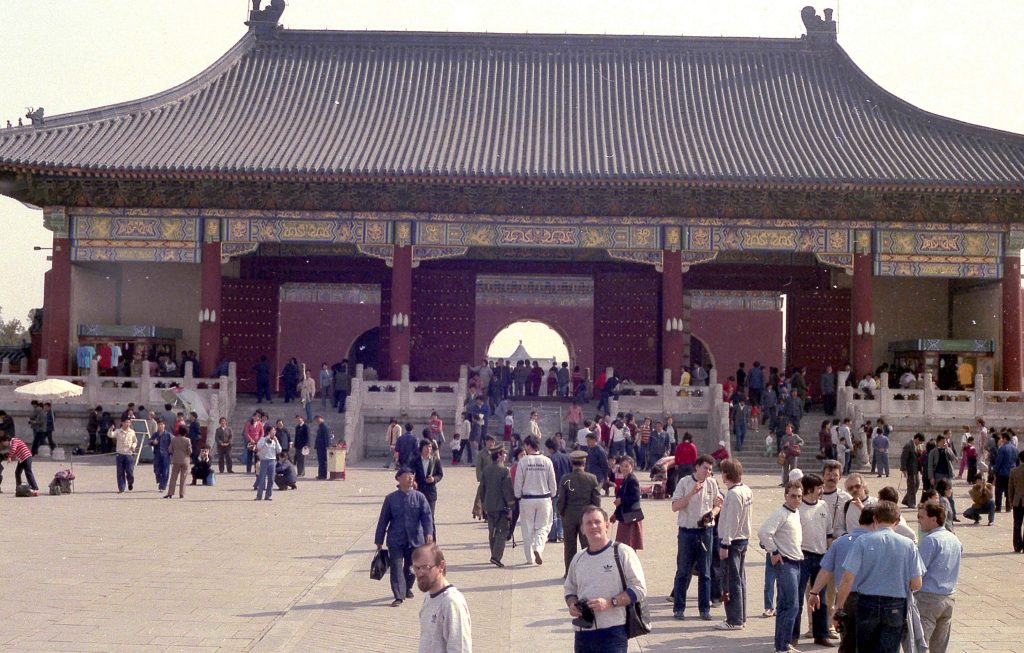
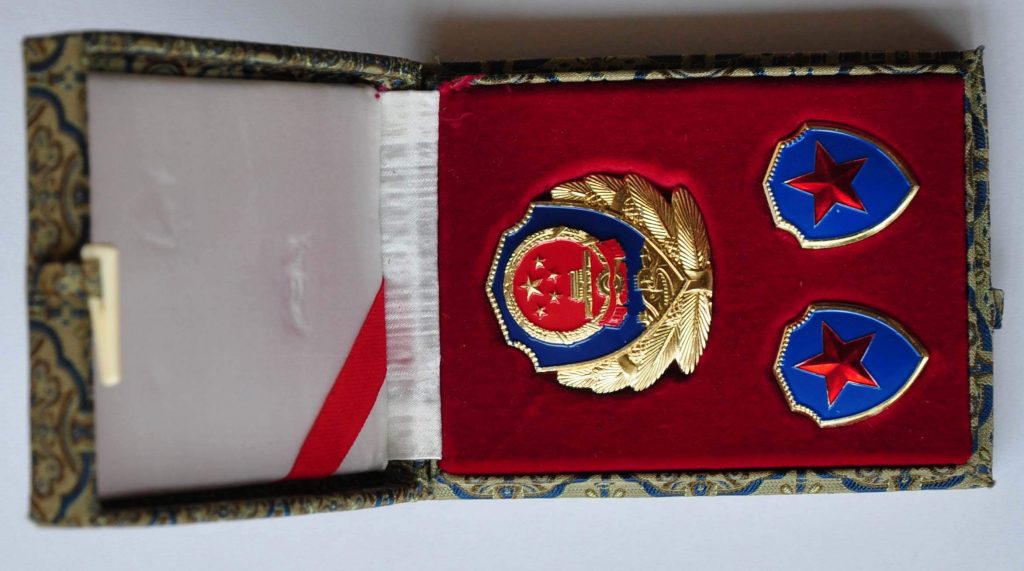
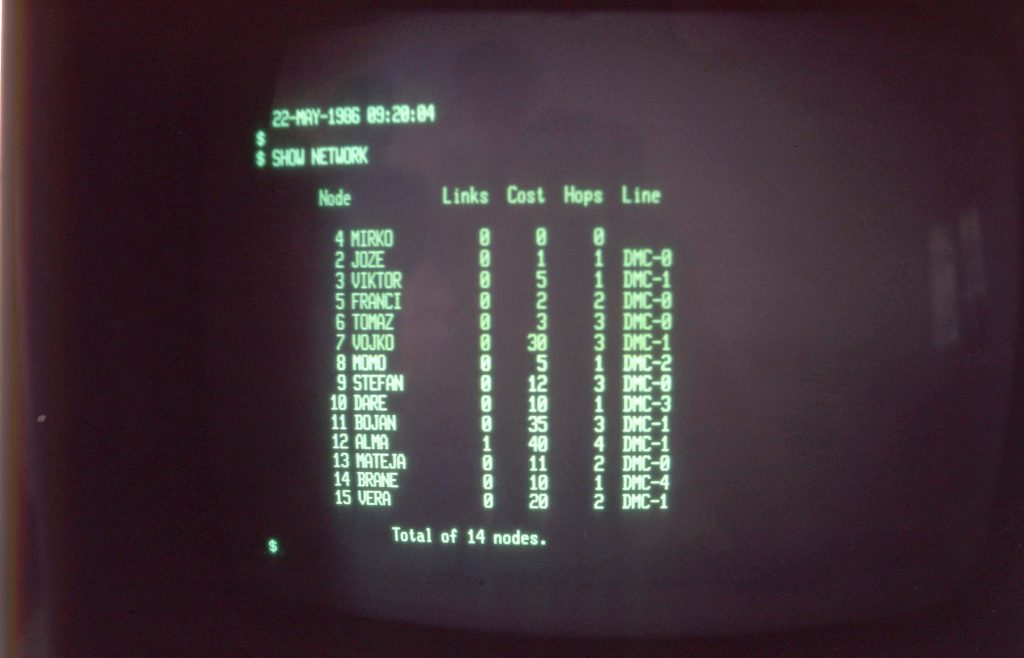
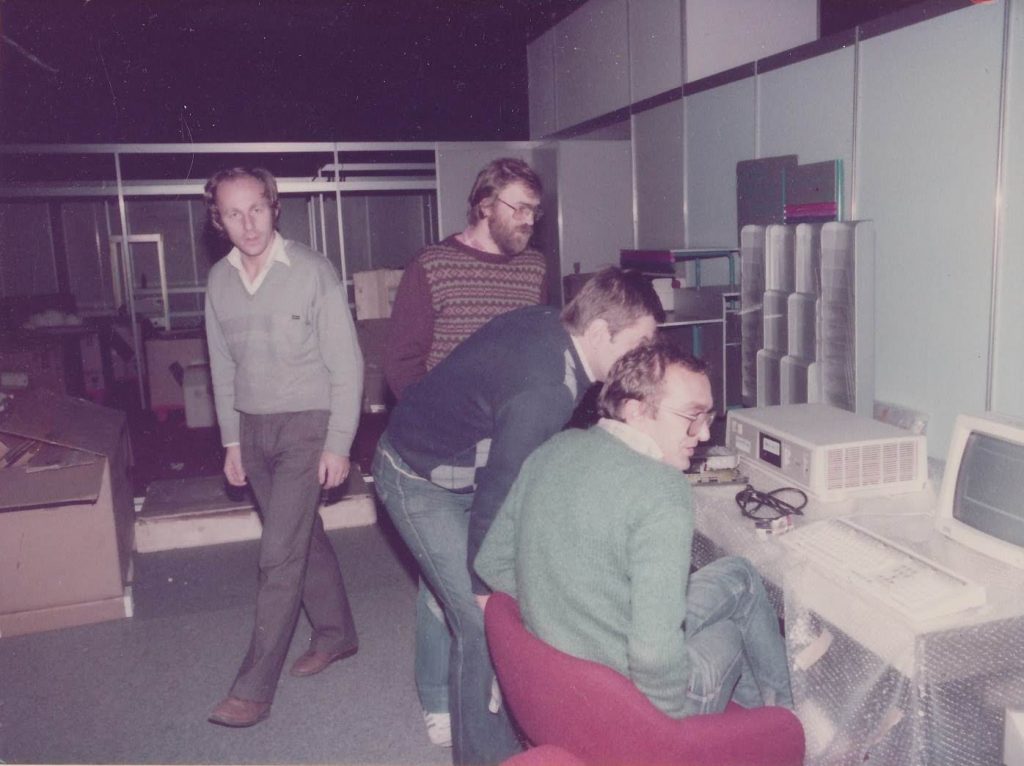
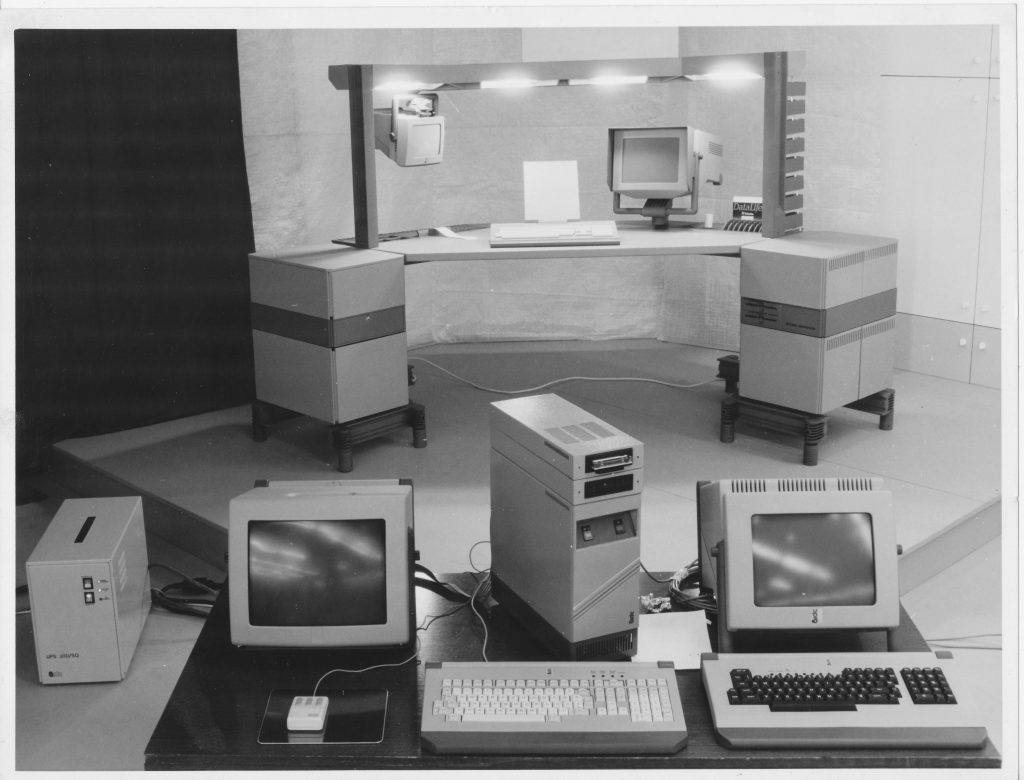
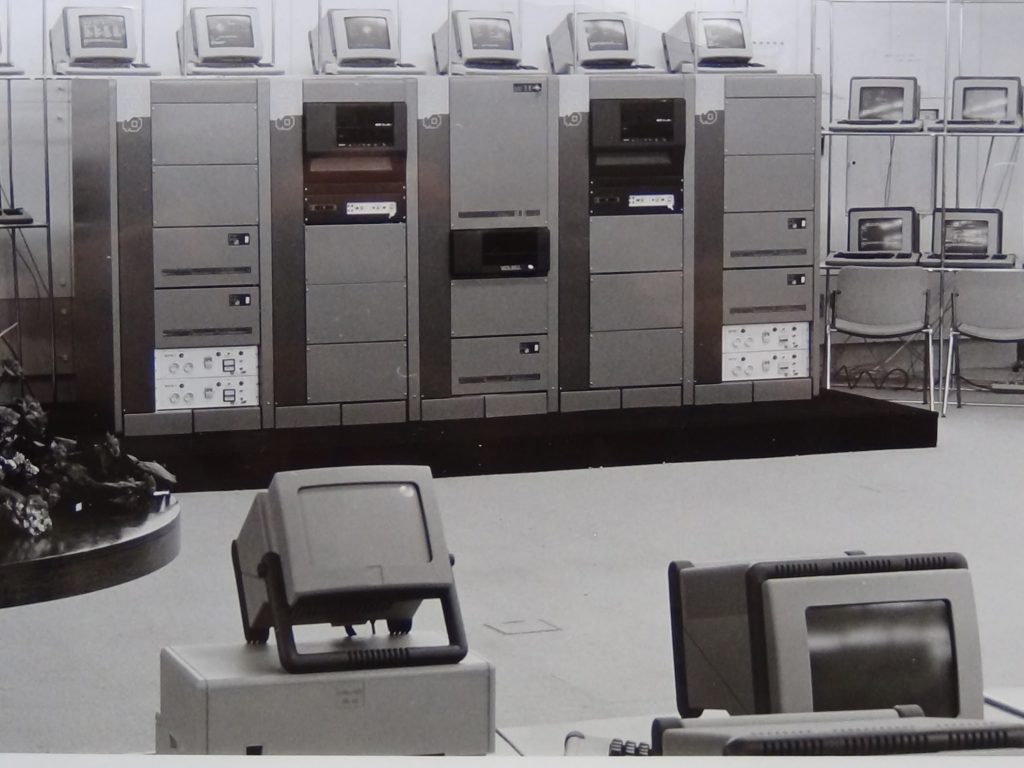
In the year 1986, the Ljubljana-based ‘start-up’ Iskra Delta, got a contract to network police stations across China’s ten largest cities. Using their own proprietary software and modified American hardware, the team successfully set up one of the first such networks and trained dozens of operators.
EPSON MFP image 
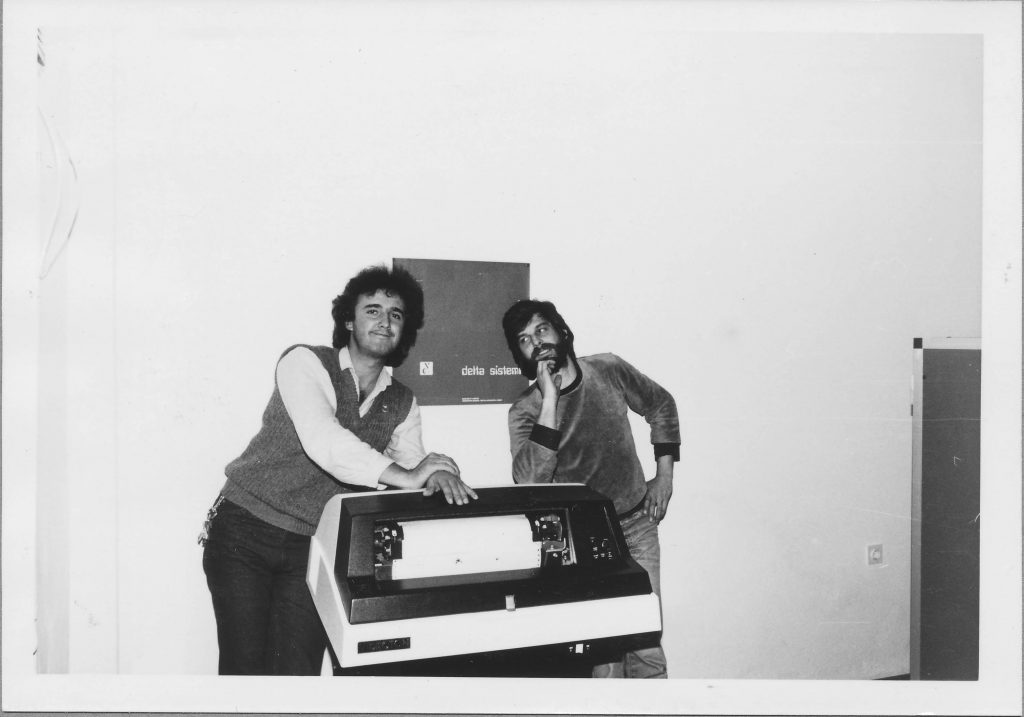
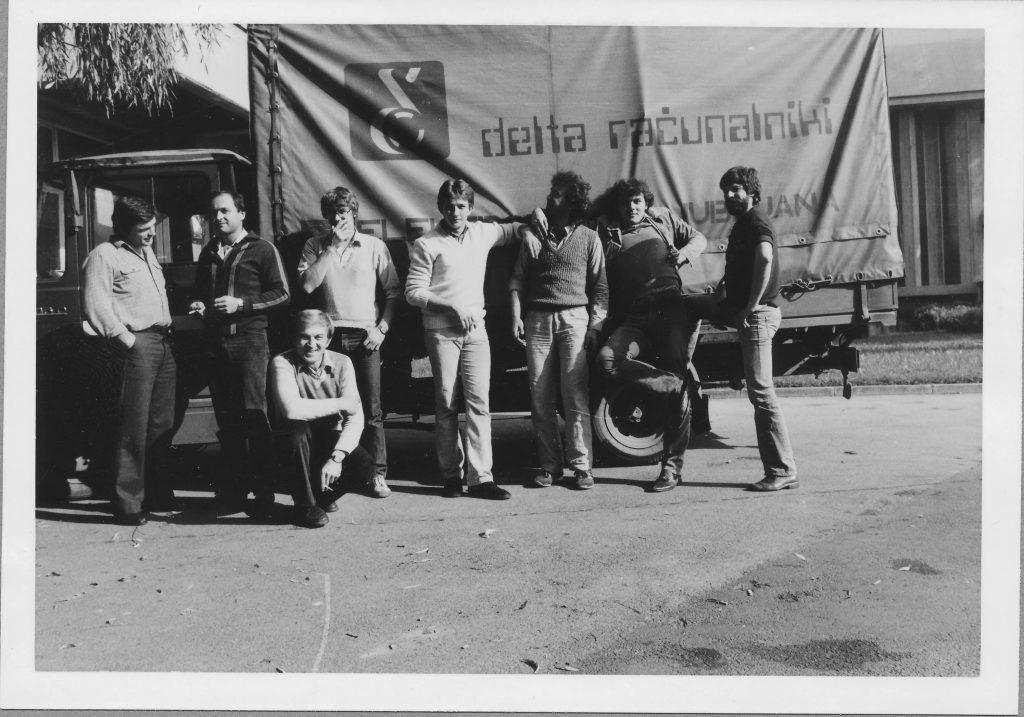
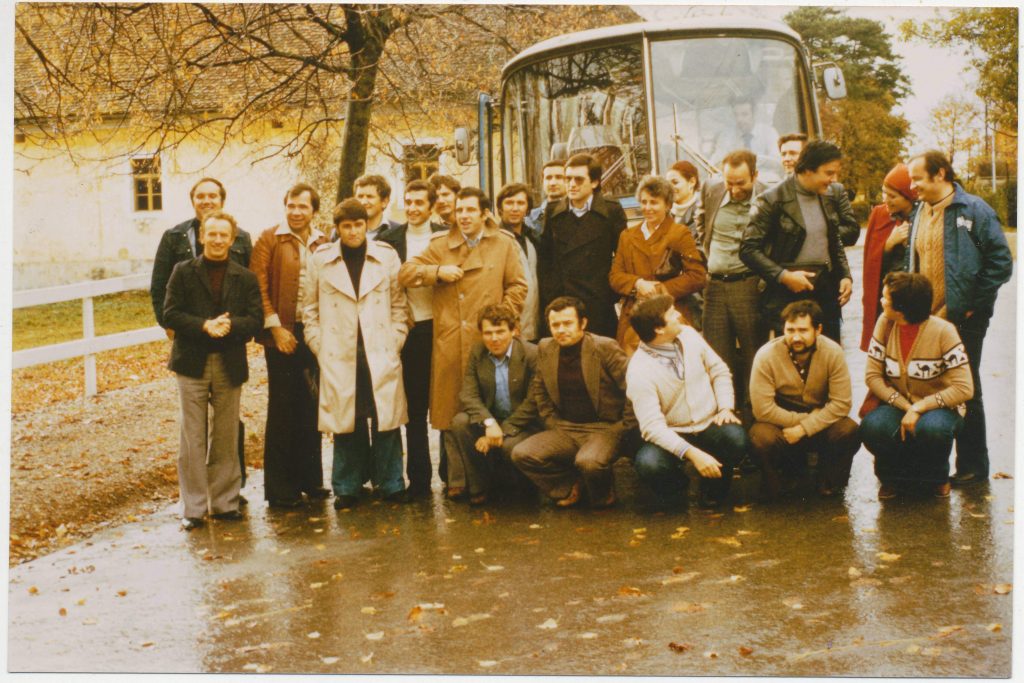
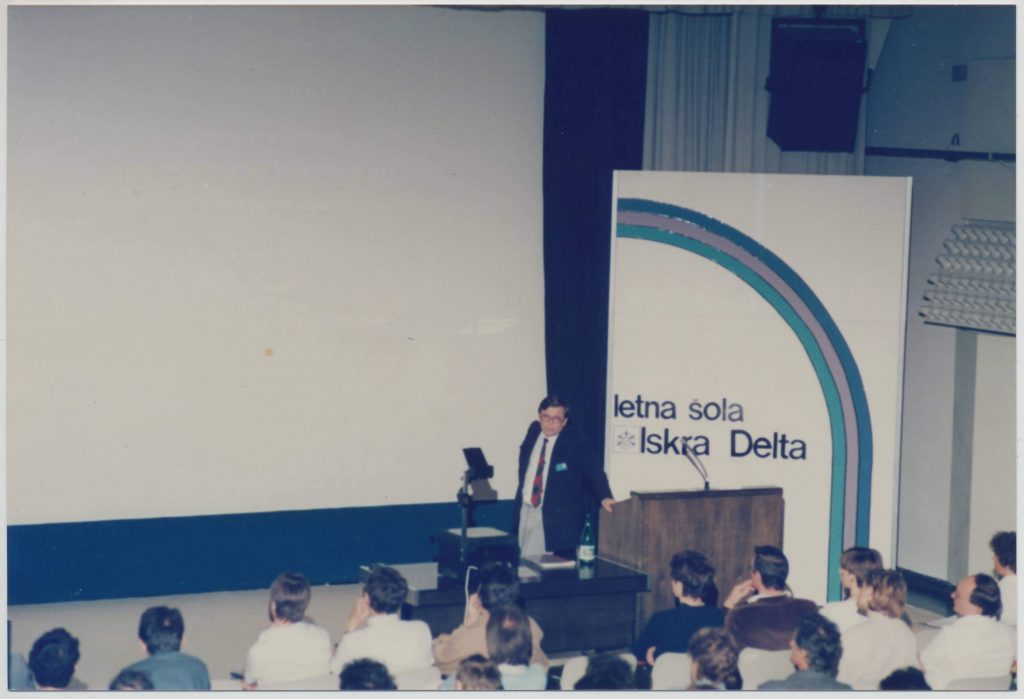
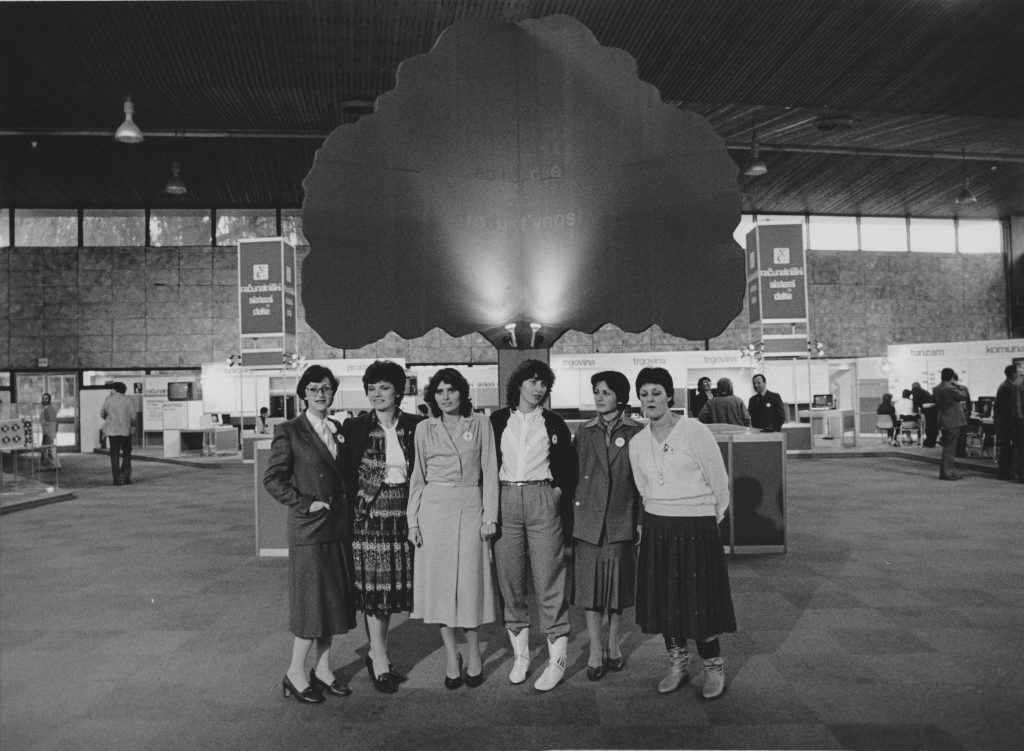
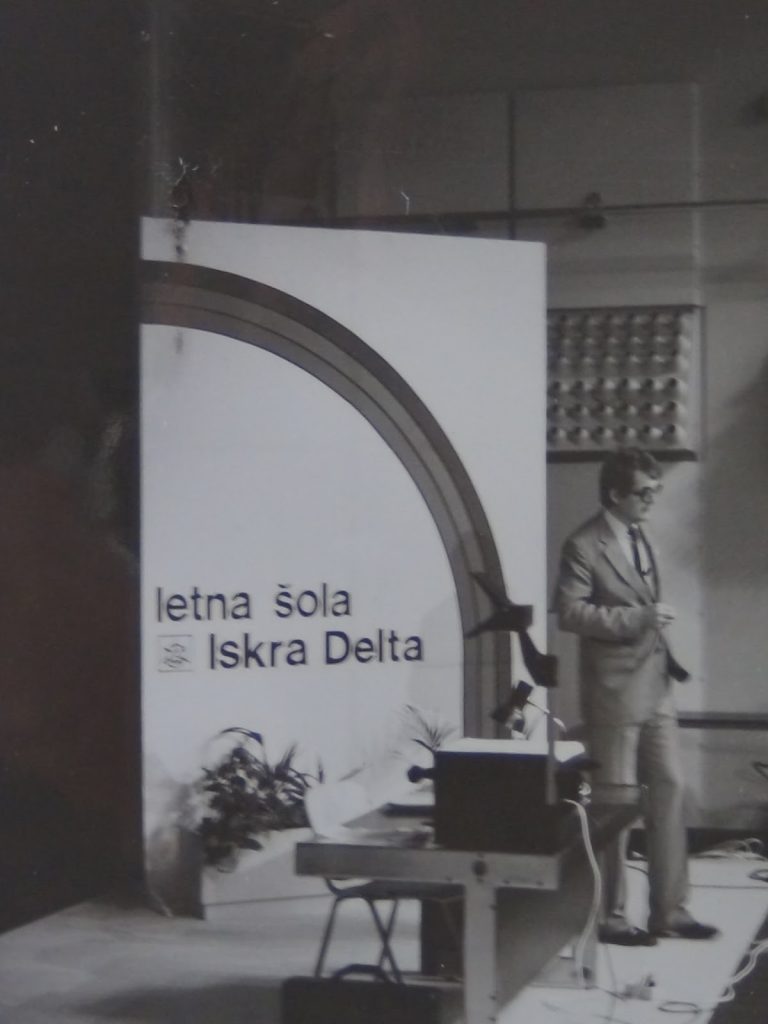
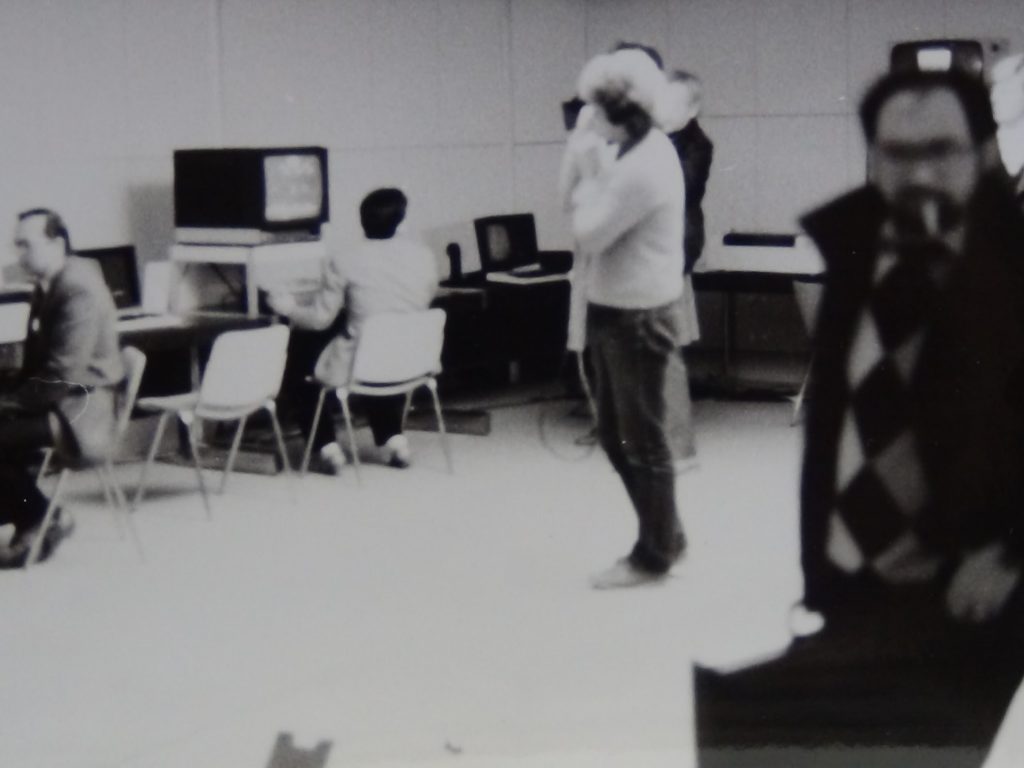
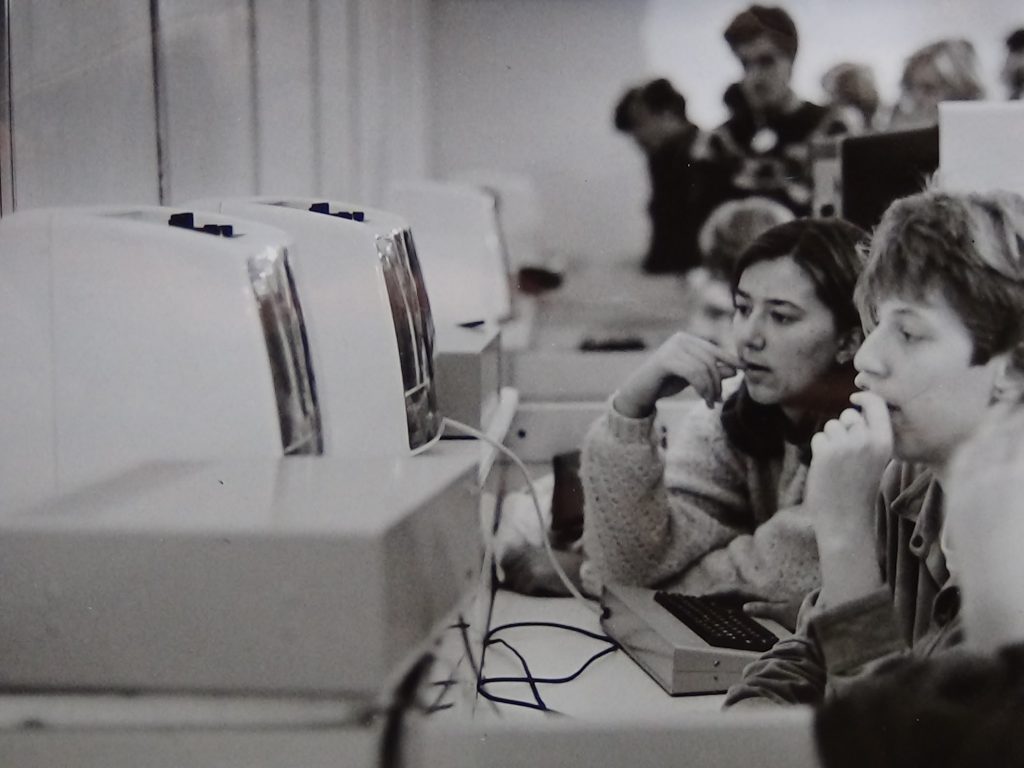
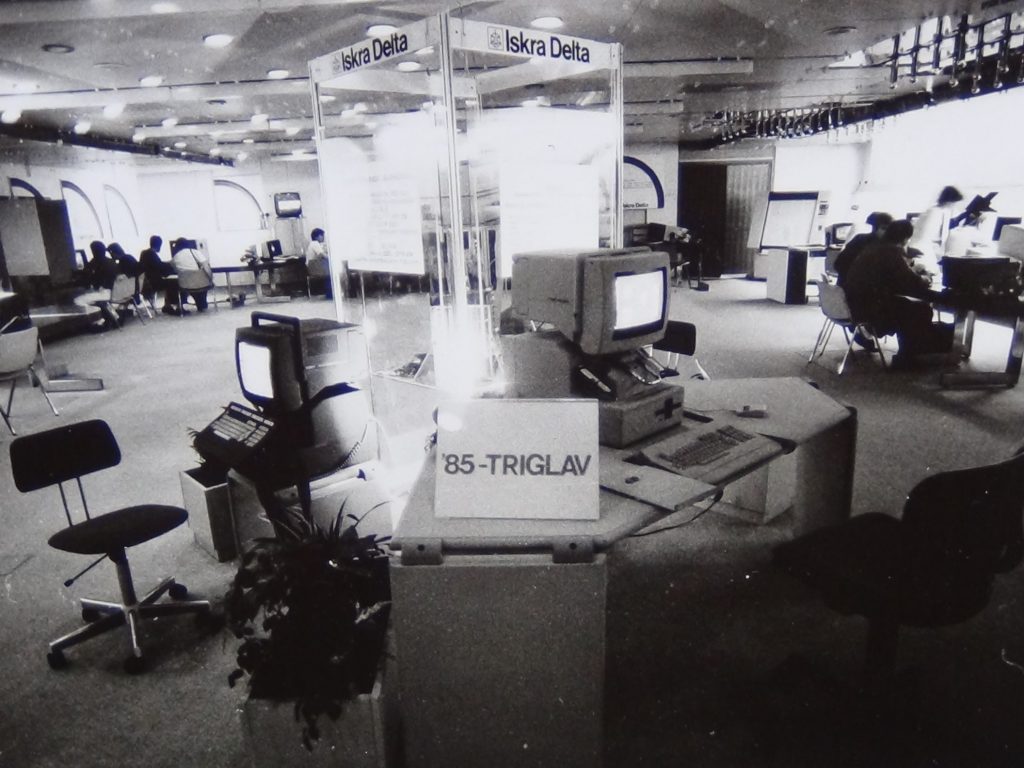
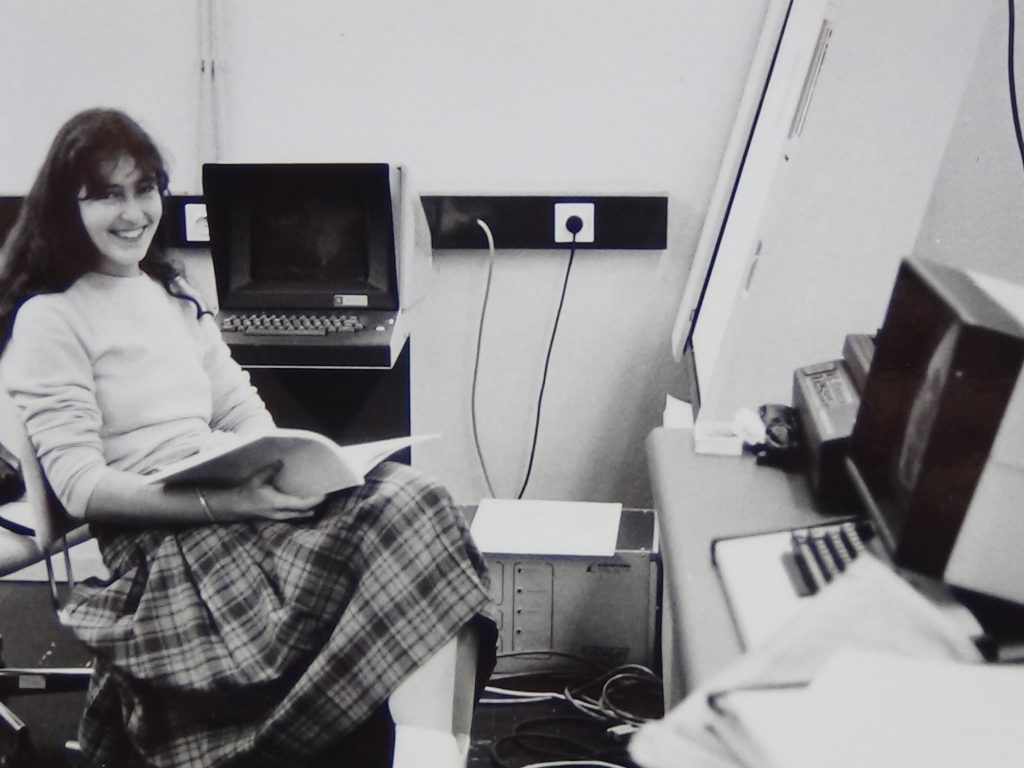
Iskra Delta was the breeding ground for experts – it actively educated a generation of scholarship recipients and engineers, who later shaped Slovenian IT of the ’90s.
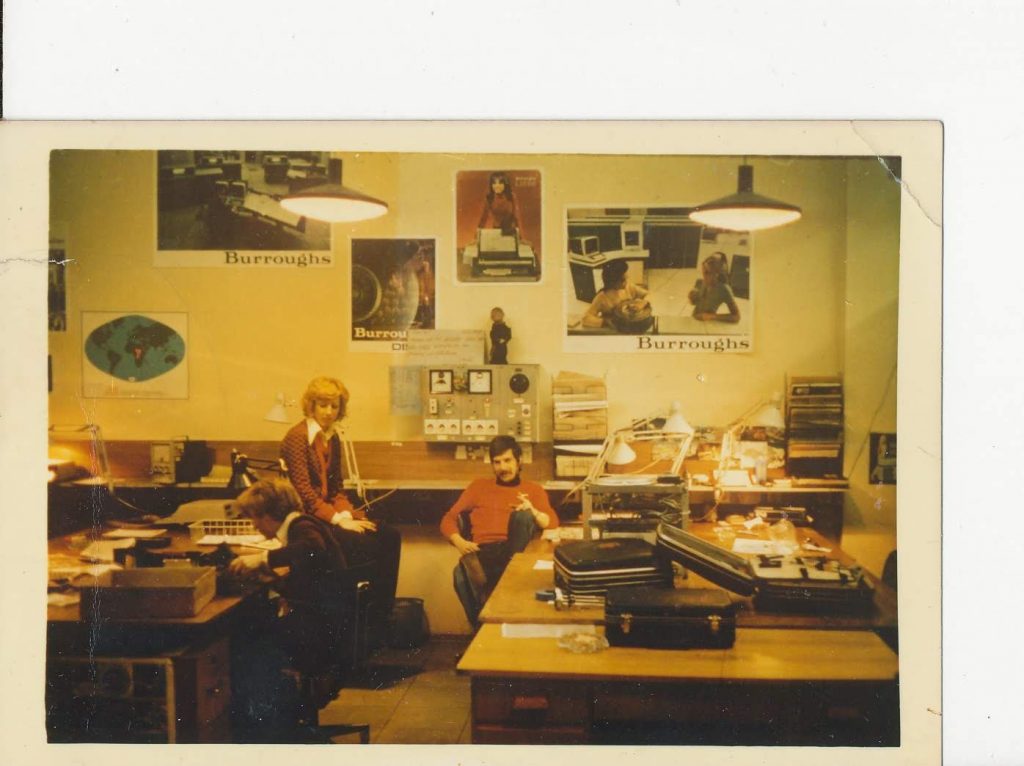
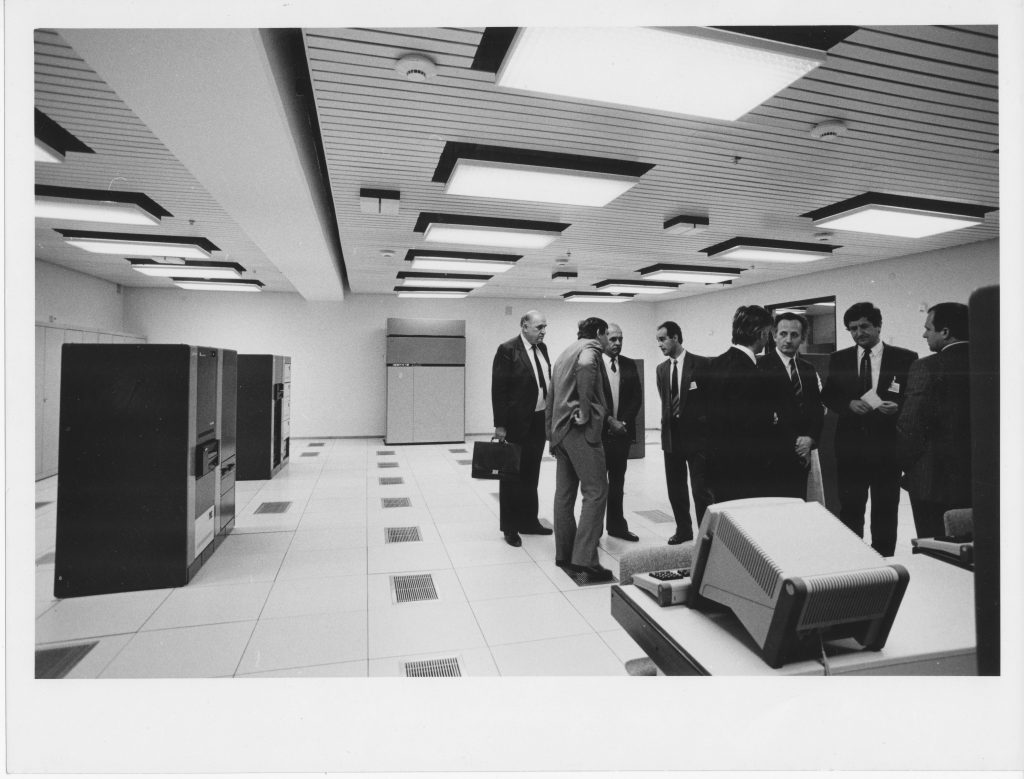
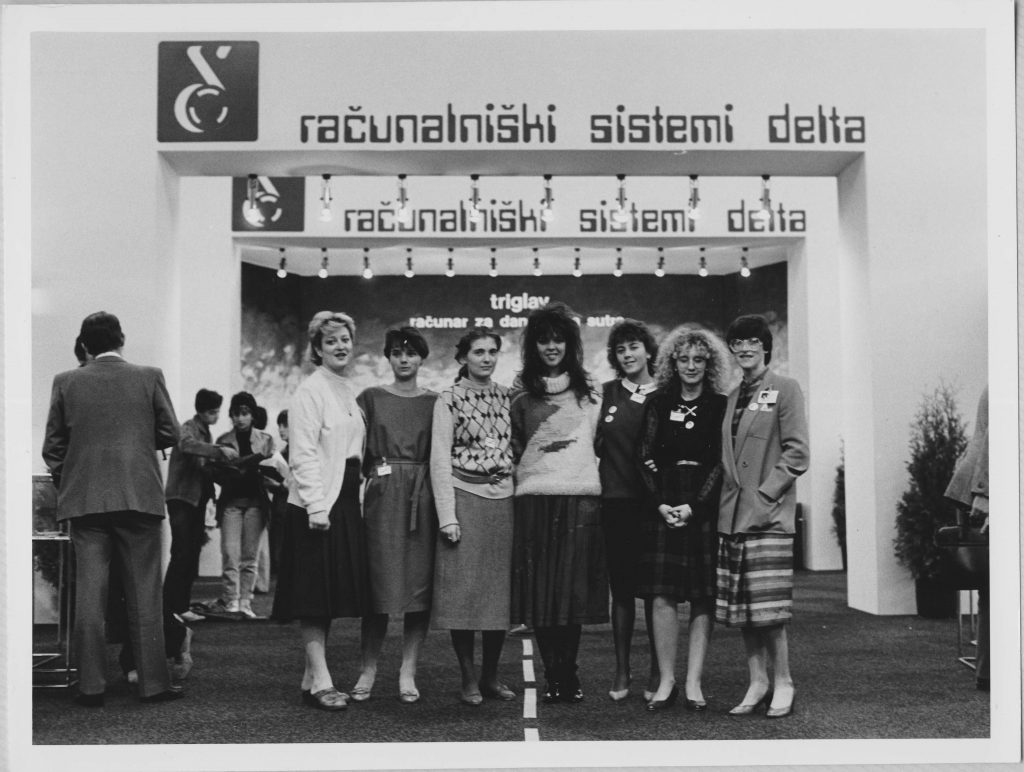
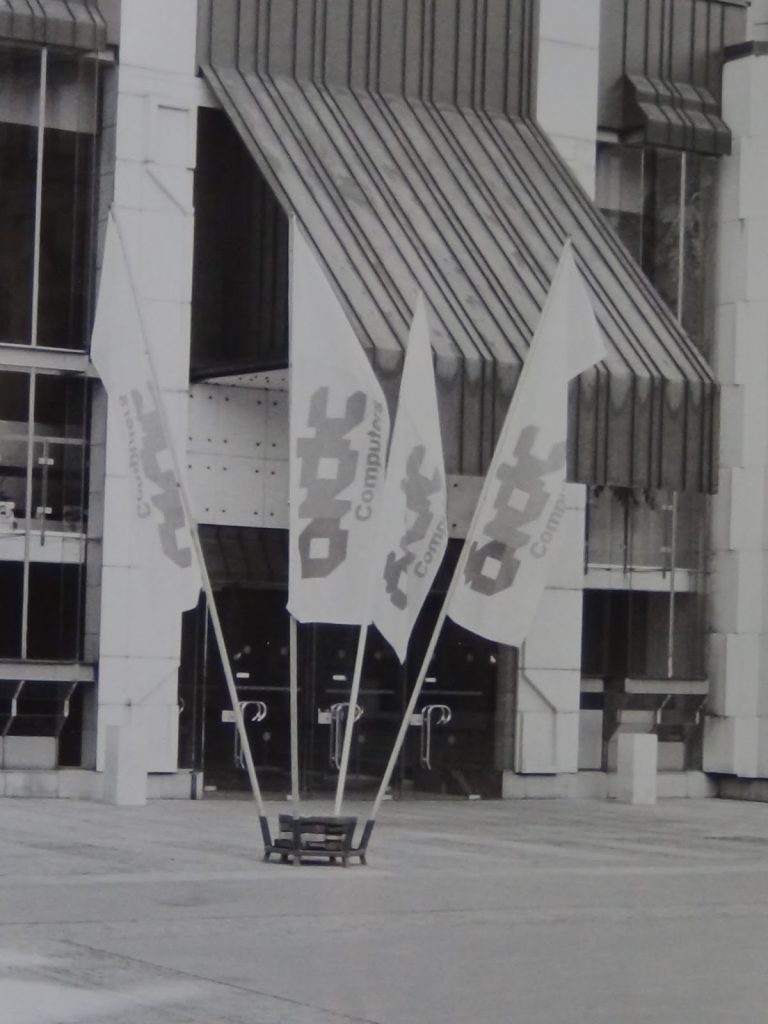
In the ’80s, more than 5000 Iskra Delta employees worked in the most modern environment, inspired by the Silicon Valley.
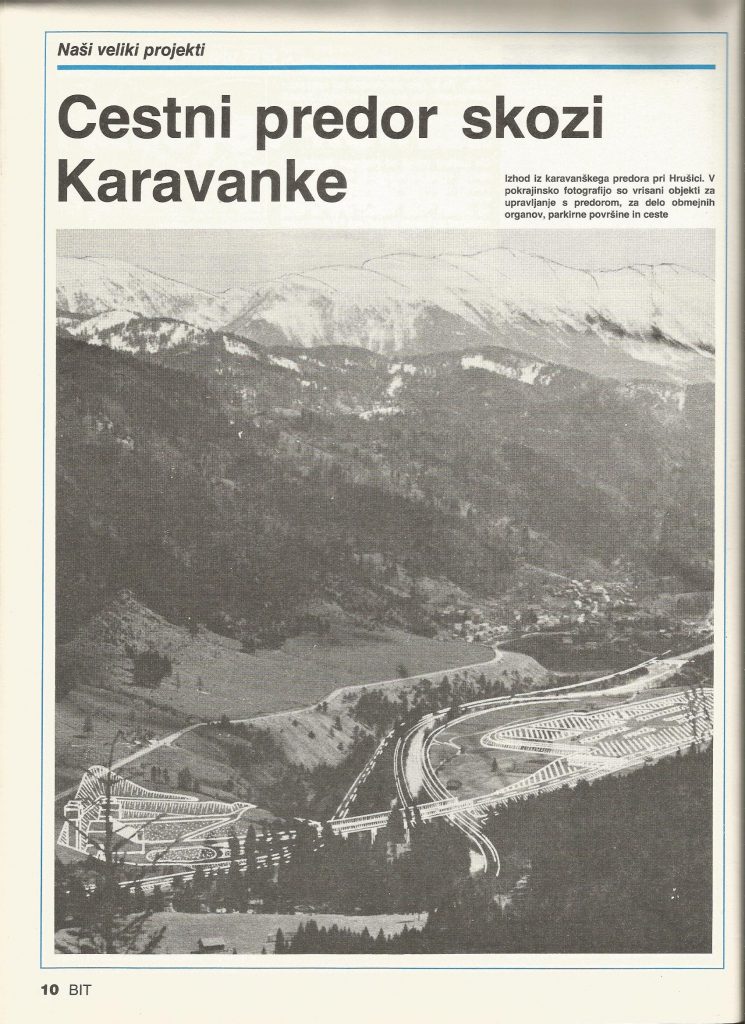
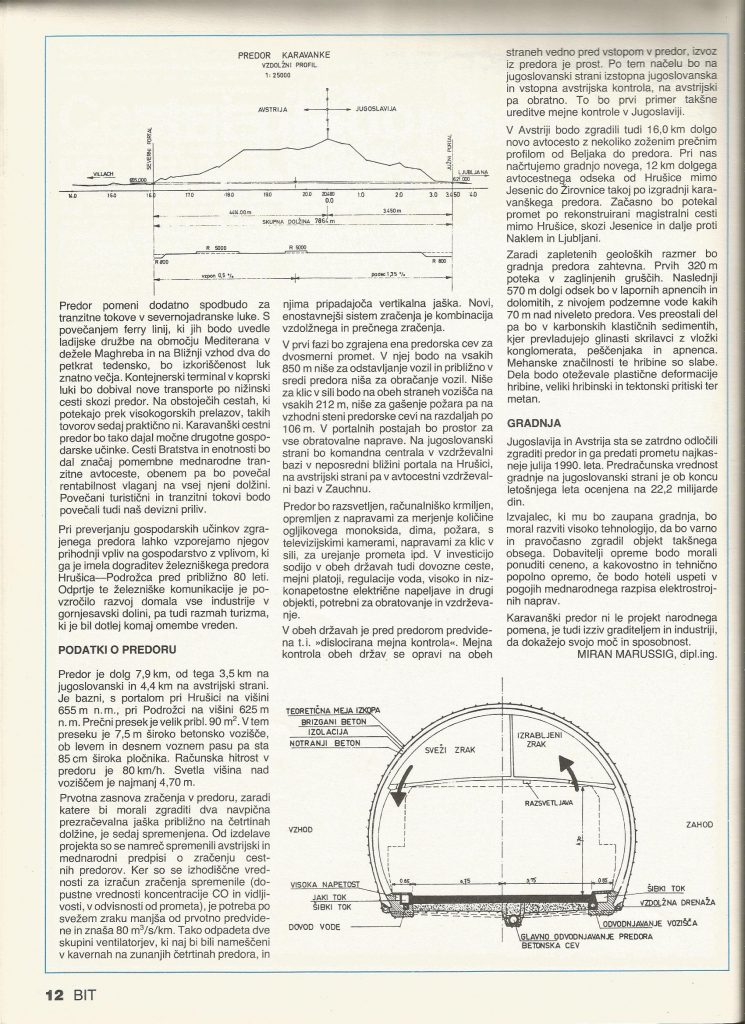
The most advanced tunnel of the era

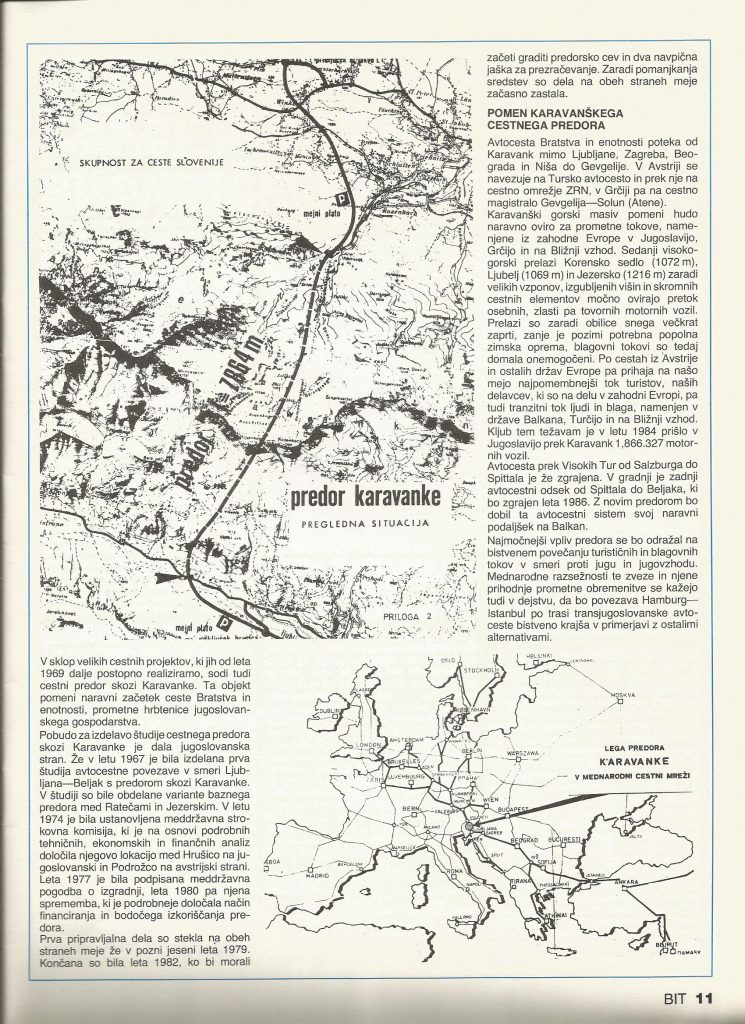
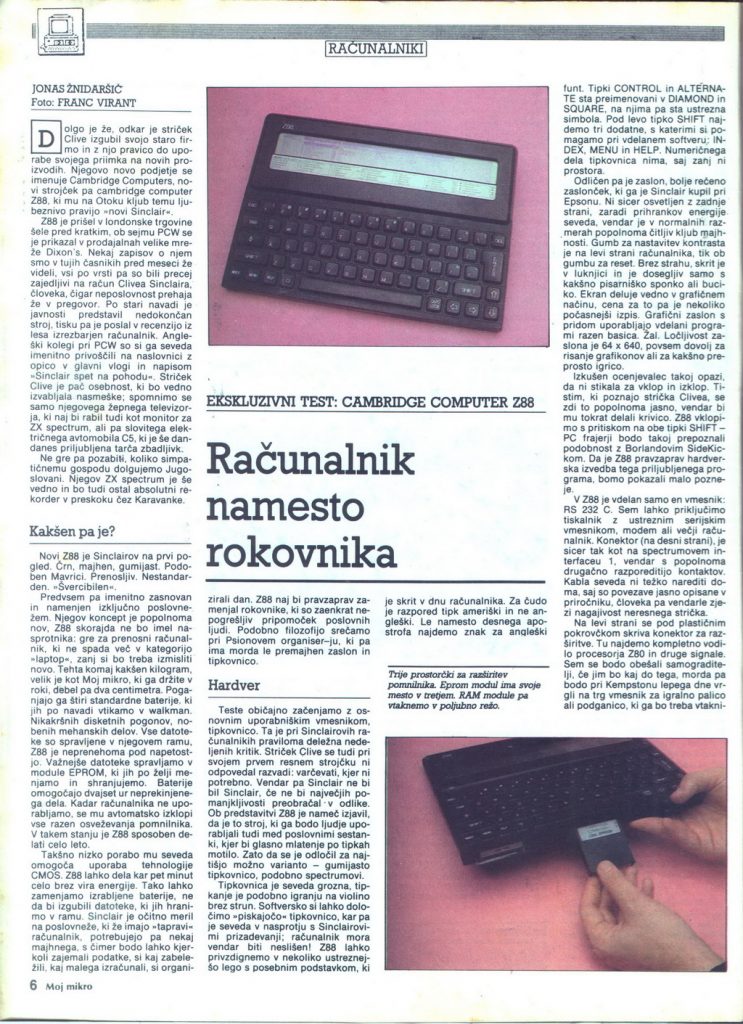
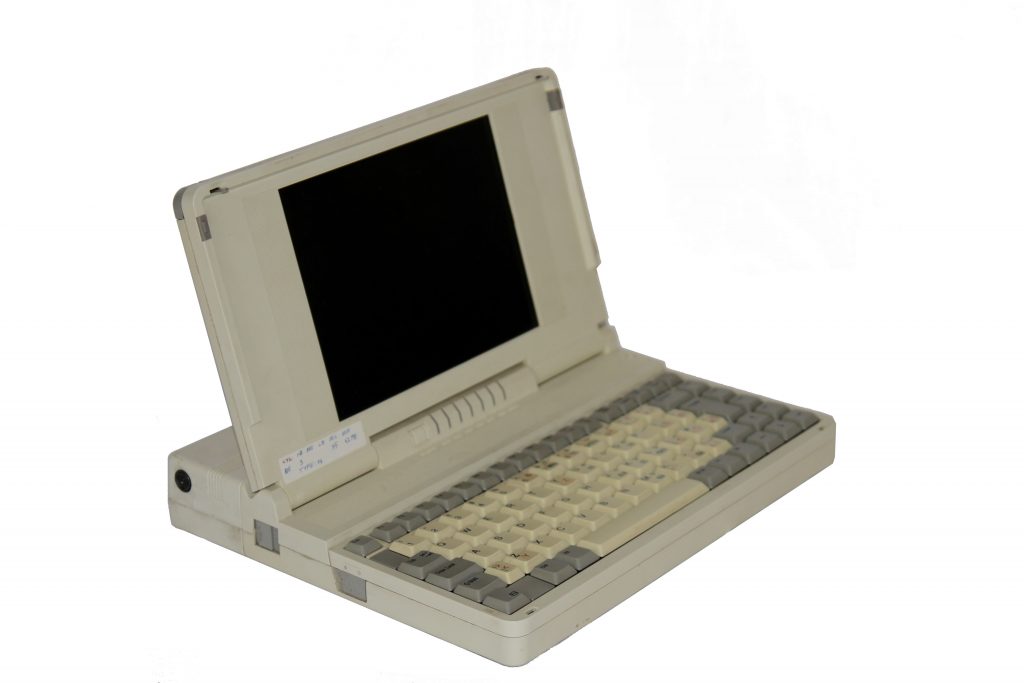
This laptop played a very important role in the project. On it the software that controlled the ventilation system was being made. We were gifted this laptop by the author and subcontractor Mr. Zlatko Gegić from Binar d.o.o.
The controllers that were installed and work on Motorola 68000 processors can still be found in the tunnel. Inside the tunnel, there were no fewer than 10,000 sensors, connected via dial-up links to control centers on both sides of the border.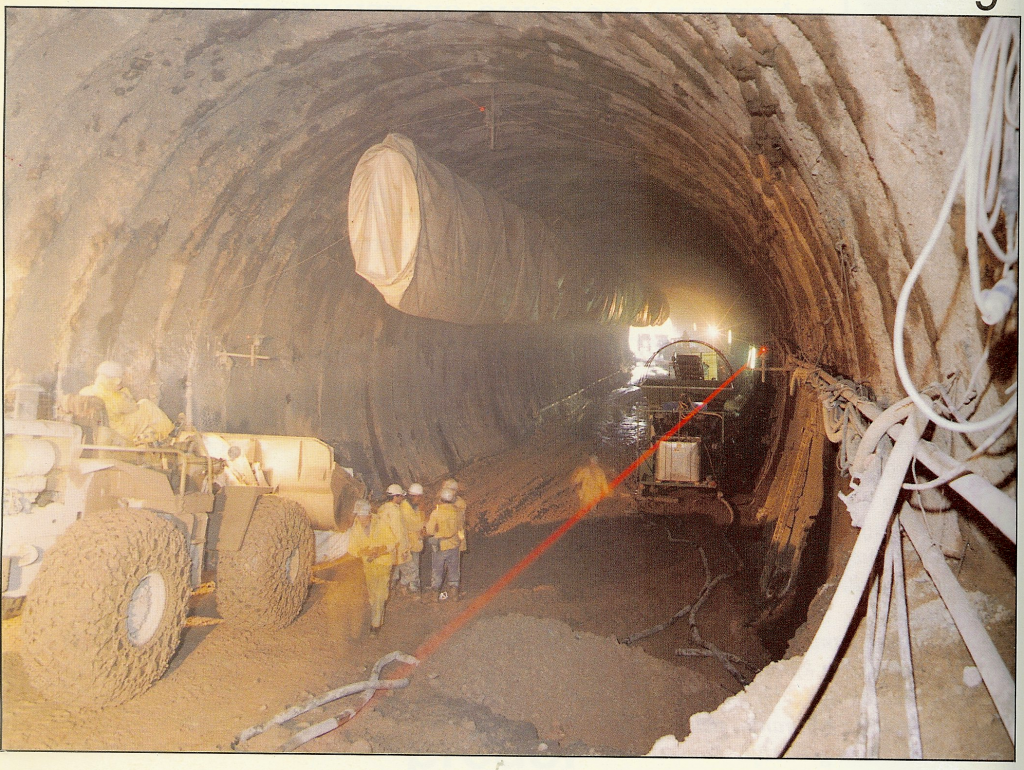
The portability of the computers enabled better collaboration with other teams during construction, as well as real-time testing of advanced systems. The cutting-edge computers of that era paved the way for a more advanced tunnel design.
Try out the games of your (grand) parents!
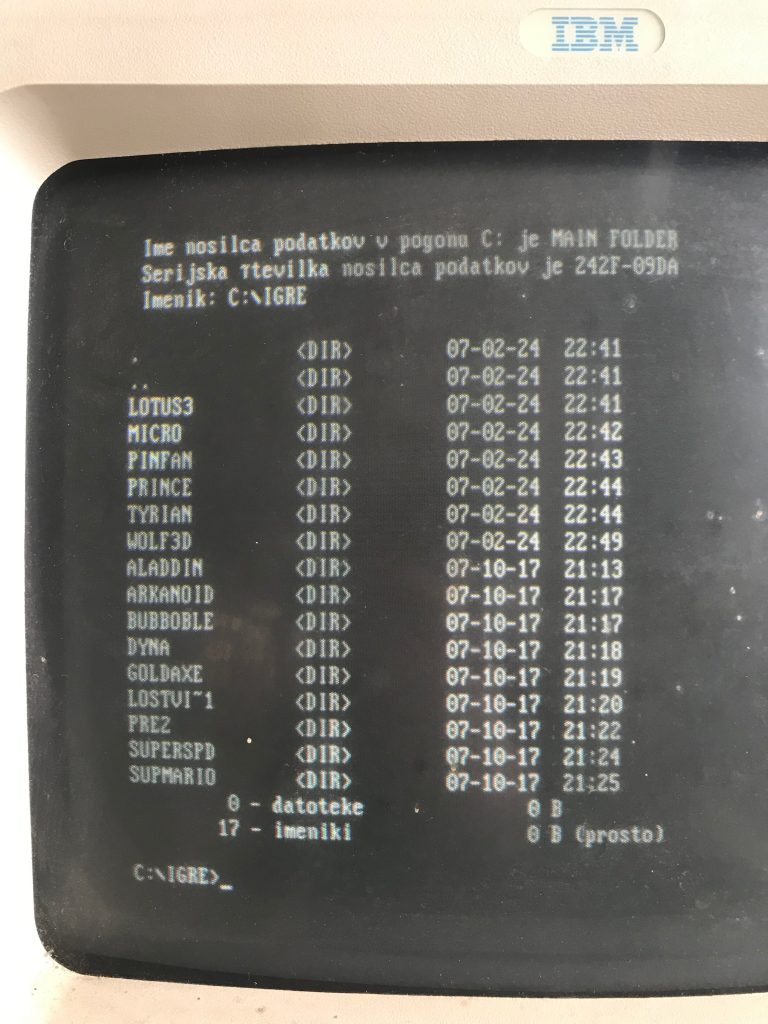
This computer is a true “gaming beast,” famously known as the “no-lan kišta™” (no-lan box). Built 15 years ago by the Kiberpipa team using the legendary PS/1 as its base, it, along with its ten brothers and sisters, still serves as a reliable companion at every museum event.
This is an authentic old computer, that is packed with a wide variety of ’80s and ’90s games, always ready for fun.
“No-lan kišta™ ” is more than just hardware and games – it is a collection of all experiences and excitement of a whole generation of ‘geeks’, who grew up in this most dynamic part of technological transformation.
Bonus: If you take a photo while playing and post it with the tag #muzej, you get a free ticket for C111.